
Water Mitigation & Water Damage Restoration in Greenville, SC
Fast Water Removal, Structural Drying And Repairs For Homes And Businesses
A burst pipe, overflowing appliance, roof leak or storm water in your crawlspace can spread far beyond what you can see. GreenShield Restoration provides water mitigation and water damage restoration for homes and businesses throughout Greenville and Upstate South Carolina. Our team works to stop further damage, remove standing water, locate hidden moisture, dry affected materials and document the loss clearly. When repairs are needed, we can continue through reconstruction, helping you move from emergency mitigation to a fully restored property with one local restoration company.
Water Damage Right Now? Start Here
Your safety comes first. If it is safe, shut off the water source, keep away from standing water near outlets or appliances, and stay out of floodwater or sewage. Photograph the damage, then call for professional water mitigation so drying can start quickly.
- Turn off the water at the fixture or main shutoff if you can reach it safely.
- Avoid electrical hazards. Don’t walk through standing water if outlets, cords or appliances may be involved.
- Stay out of contaminated water. Floodwater and sewage can carry bacteria and debris.
- Document what you see. Take photos and video before moving things, when it is safe.
- Move small valuables out of wet areas if you can do it without risk.
- Call GreenShield so the drying process can begin.
Water Damage Happening Now?
Every hour matters. Our local team can extract the water, find hidden moisture and start drying fast, 24/7 across Greenville and the Upstate.
What Is Water Mitigation?
Water mitigation is the emergency phase of a water loss. It stops the damage from spreading by removing standing water, controlling moisture and drying affected materials. Water damage restoration, or reconstruction, comes afterward and repairs the property once the structure is dry and stable.
Think of it in two stages:
- Mitigation stops the damage. Water extraction, protecting contents, removing materials that cannot be saved, and structural drying.
- Restoration repairs the damage. Replacing drywall, insulation, flooring, ceilings, trim or cabinets after drying is complete.
Insurers and contractors often use both terms. The difference matters because each stage has its own scope, and you should know which one is happening at any point in your project.
Why Fast Action Matters
Water does not stay where you see it. It wicks into drywall, soaks insulation, spreads under flooring and settles in wall cavities and subfloors. The EPA and CDC advise drying water damaged materials within 24 to 48 hours where possible to help prevent mold growth.
That doesn’t mean mold appears at exactly the 24 hour mark. It means the risk rises the longer materials stay wet, and prompt drying gives you the best chance of saving materials instead of replacing them. Every hour of delay also gives water more time to travel into rooms and building materials that were never touched by the original leak.
Common Causes of Water Damage in Greenville Properties
Most water damage calls come from everyday failures, not disasters:
- Burst or leaking pipes, including slow leaks inside walls
- Washing machine, dishwasher, ice maker and refrigerator supply lines
- Water heater leaks
- Overflowing sinks, tubs and toilets
- Roof, window and exterior water intrusion
- HVAC condensate line and drain pan leaks
- Crawlspace or foundation moisture after heavy rain
- Storm and flood damage
Stopping or fixing the source may require a plumber, roofer or another specialist. GreenShield handles the water damage the source left behind: extraction, drying, documentation and repairs.
Who Should I Call First?
Call the trade that stops the water and call a water mitigation company at the same time. The plumber or roofer fixes the source while mitigation deals with the wet structure. If a claim is likely, notify your insurer promptly, but don’t delay urgent drying while you wait for a coverage decision.
- Active plumbing leak: shut off the water if safe and call a plumber. Mitigation can begin while the repair is arranged.
- Roof or exterior leak: arrange temporary protection and the right repair while wet materials inside are addressed.
- Standing water or unknown spread: a mitigation team should assess quickly to find where the water went.
- Possible insurance claim: document the damage and contact your carrier. Your insurer decides coverage, not the contractor.
How Hidden Moisture Is Found
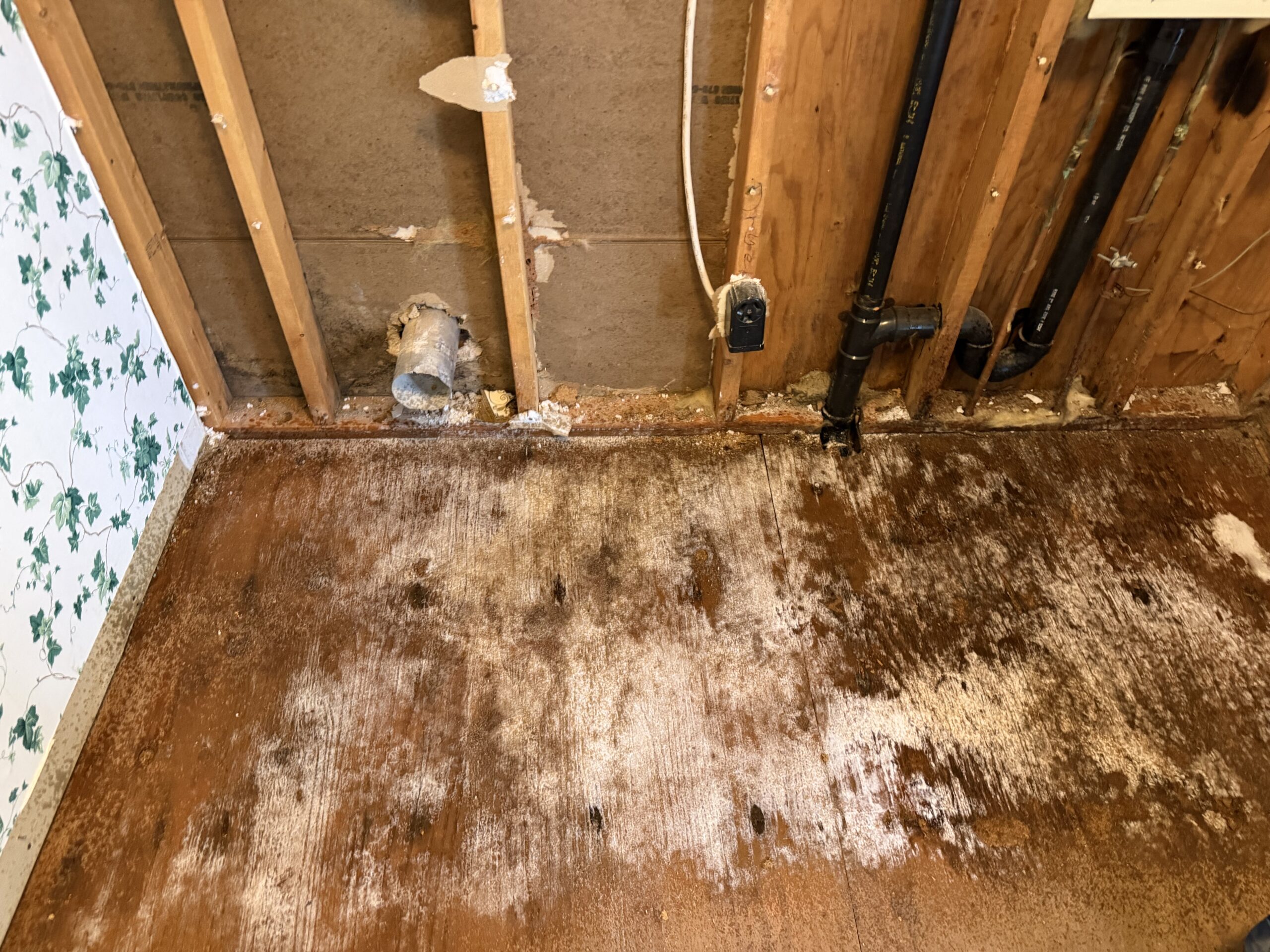
A dry looking surface is not proof of a dry structure. Water can stay trapped behind baseboards, inside wall cavities, under flooring, in ceiling insulation and in crawlspaces. Professional moisture detection checks these areas so drying is measured instead of guessed.
Common hidden trouble spots include the base of walls near a leak, the subfloor under hardwood or vinyl, cabinet bases under sinks, ceilings below bathrooms and the crawlspace under the affected rooms. The goal is simple: confirm where the water went, dry those materials, and keep checking until readings show the structure is dry.
Our Water Mitigation Process
- Call and first questions. We ask about the source, the affected rooms and any safety concerns.
- Assessment and safety review. We inspect the property and map where the water traveled.
- Source coordination. We make sure the water source is stopped or that the right trade is arranged.
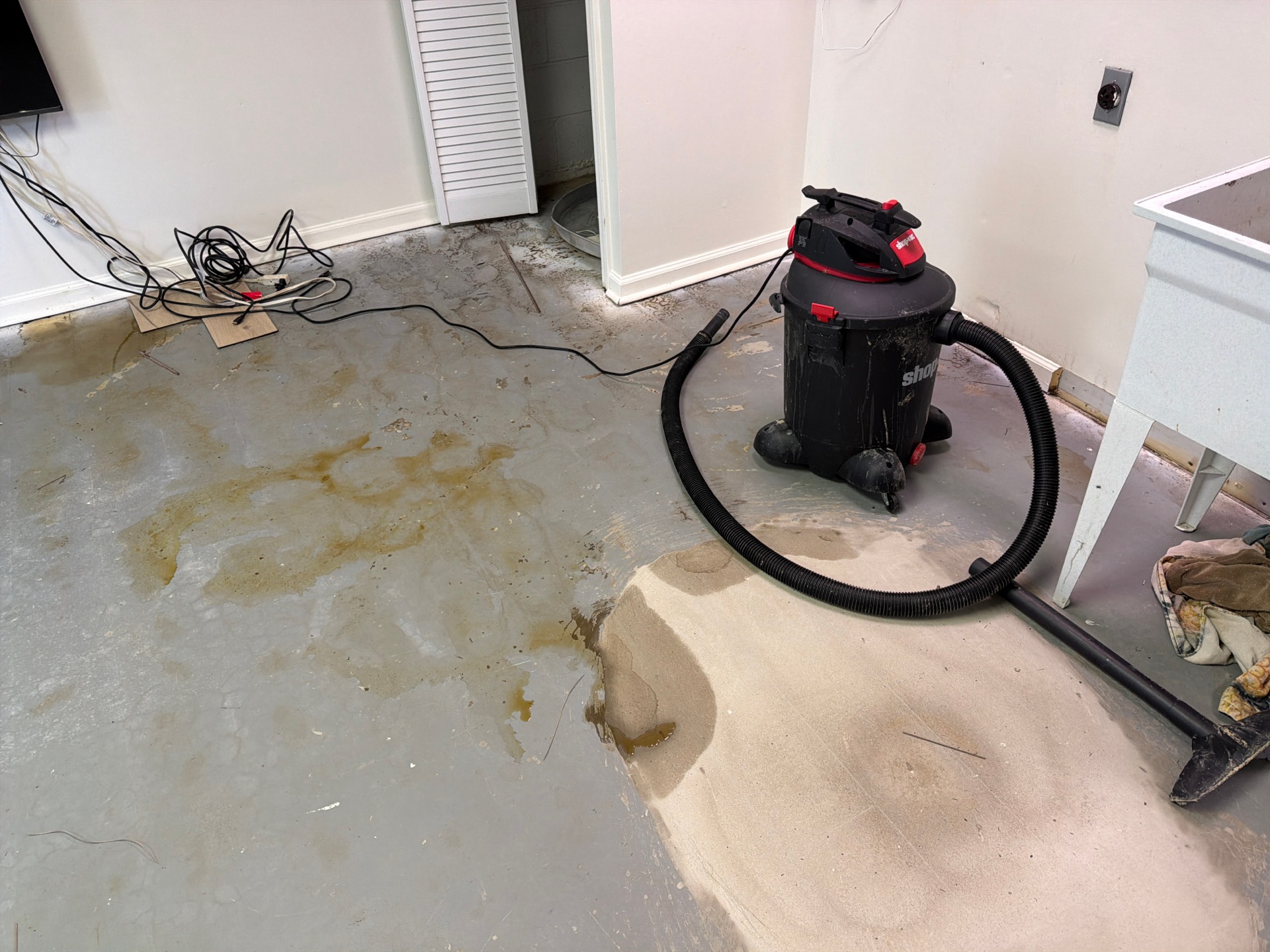
- Water extraction. Standing water is removed from floors and affected areas.
- Contents protection. Furniture and belongings are moved or protected as needed.
- Dry or remove decisions. We explain what can be dried and what is not salvageable before removal.
- Structural drying. Professional drying and dehumidification equipment brings moisture levels down.
- Monitoring and documentation. Drying progress is checked and recorded.
- Cleaning when needed. Affected surfaces are cleaned or sanitized as the water source requires.
- Dry and stable confirmation. We confirm the area is dry before anything is closed up.
- Repairs and reconstruction. If materials were removed, we can move straight into the rebuild.
Throughout the job, you should be able to see what was done and why: which areas were affected, what was removed, how long equipment ran and what the moisture readings showed. That record supports your claim and makes the final bill easier to understand.
What Can Be Dried and What May Need Removal?
It depends on the water source, how long materials were wet, how saturated they are, their condition, how accessible they are and whether they can be dried and cleaned safely. Removal should be tied to those factors and documented, not automatic.
- Drywall: often dried in place after a clean water leak caught early. Saturated, sagging or contaminated drywall is usually removed.
- Insulation: wet insulation typically needs to be removed.
- Carpet and pad: carpet can sometimes be dried after clean water. Pad is often replaced, and both are usually removed after floodwater.
- Hardwood: can often be dried if addressed quickly, though cupping or buckling may require repair.
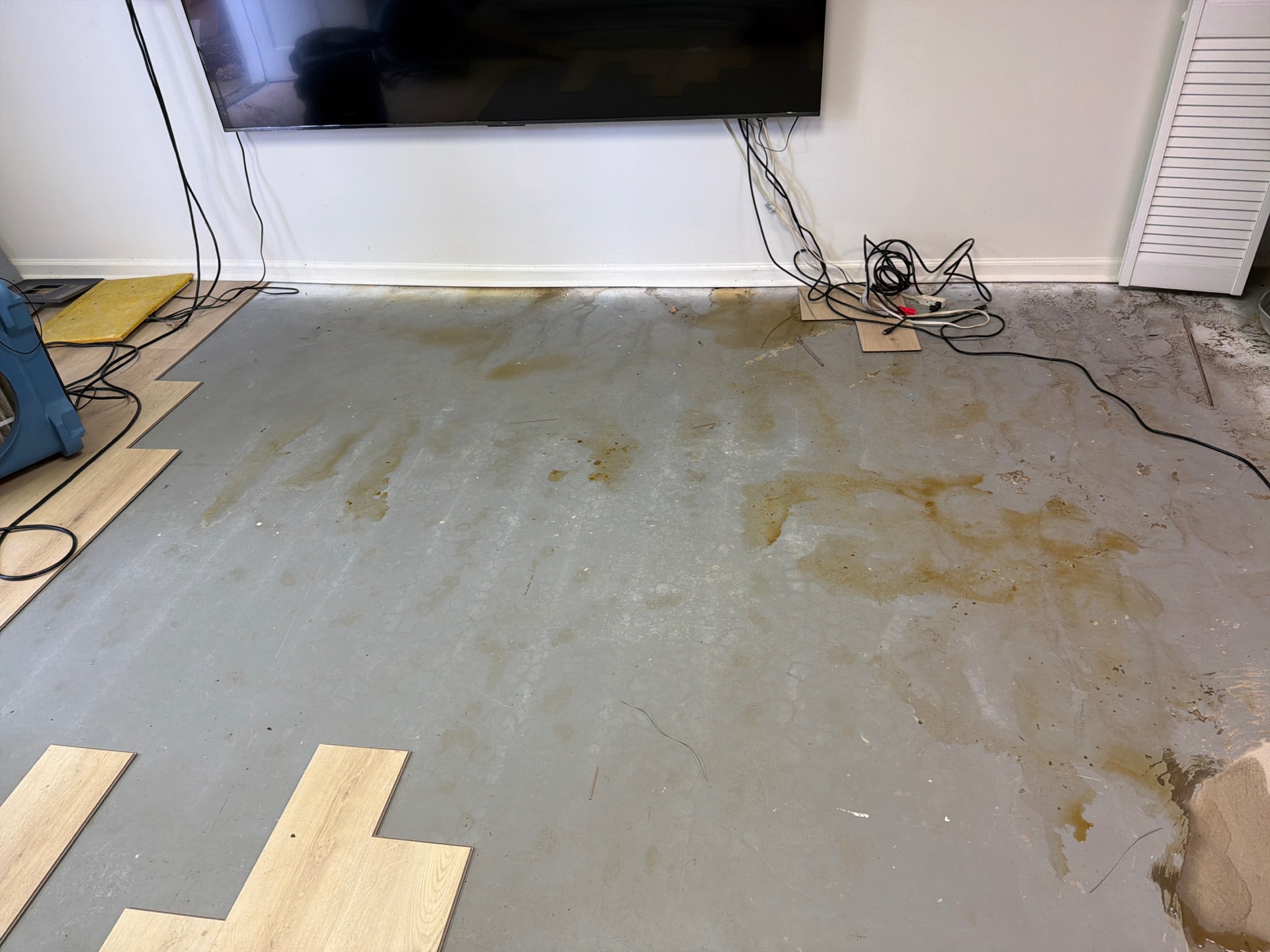
- Laminate and vinyl: water under these floors is hard to dry, so removal is common.
- Cabinets: boxes can sometimes be dried. Swollen particleboard usually cannot be saved.
- Subfloor: often dried in place unless it is delaminated or weakened.
You should always know what is being removed and why before the work happens. Clear explanations and photos of removed materials help you, your adjuster and any future buyer understand the decisions that were made.
Crawlspace and Storm Water in Greenville
Water can collect in crawlspaces and lower levels because of drainage, grading, groundwater, roof runoff or storm conditions. Even without visible flooding outside, heavy rain can push water under a home and leave insulation, joists and subfloor wet.
Greenville County averages about 50.73 inches of rain a year, according to the South Carolina State Climatology Office. In September 2024, South Carolina Emergency Management reported that Hurricane Helene brought more than 15 inches of rain to Greenville, Pickens and Oconee counties, with record flooding on the Saluda, Broad and Reedy rivers.
Not every property is in a flood zone, but Greenville County notes that flooding can happen anywhere it rains. If you are unsure about your risk, check the county’s FEMA flood maps. Correcting drainage or grading may require another specialist. We focus on removing the water and drying what was affected.
Water Damage and Mold
Moisture that is not fully dried can lead to mold, especially in wall cavities, subfloors and crawlspaces. Fast, measured drying is the best prevention. If mold has already appeared, our mold remediation service in Greenville can find the moisture source, remove affected materials and restore the area.
Insurance Documentation and Claim Support
Coverage depends on the cause of the loss, your policy language, exclusions, your deductible and your insurer’s decision. GreenShield can help document the affected areas and the restoration work and communicate with your adjuster about the scope. We cannot promise that a claim will be covered or paid.
- Photograph and video the damage before and during cleanup.
- Keep receipts for emergency repairs, supplies and temporary housing.
- Notify your insurer promptly when a claim may be involved.
- Keep copies of drying records and the scope of work.
Flooding from outside is treated differently. Greenville County flood guidance notes that standard homeowners policies do not cover flood damage, and separate flood insurance may apply. Sudden internal leaks, such as a burst pipe, are handled under different policy terms.
Residential Water Mitigation
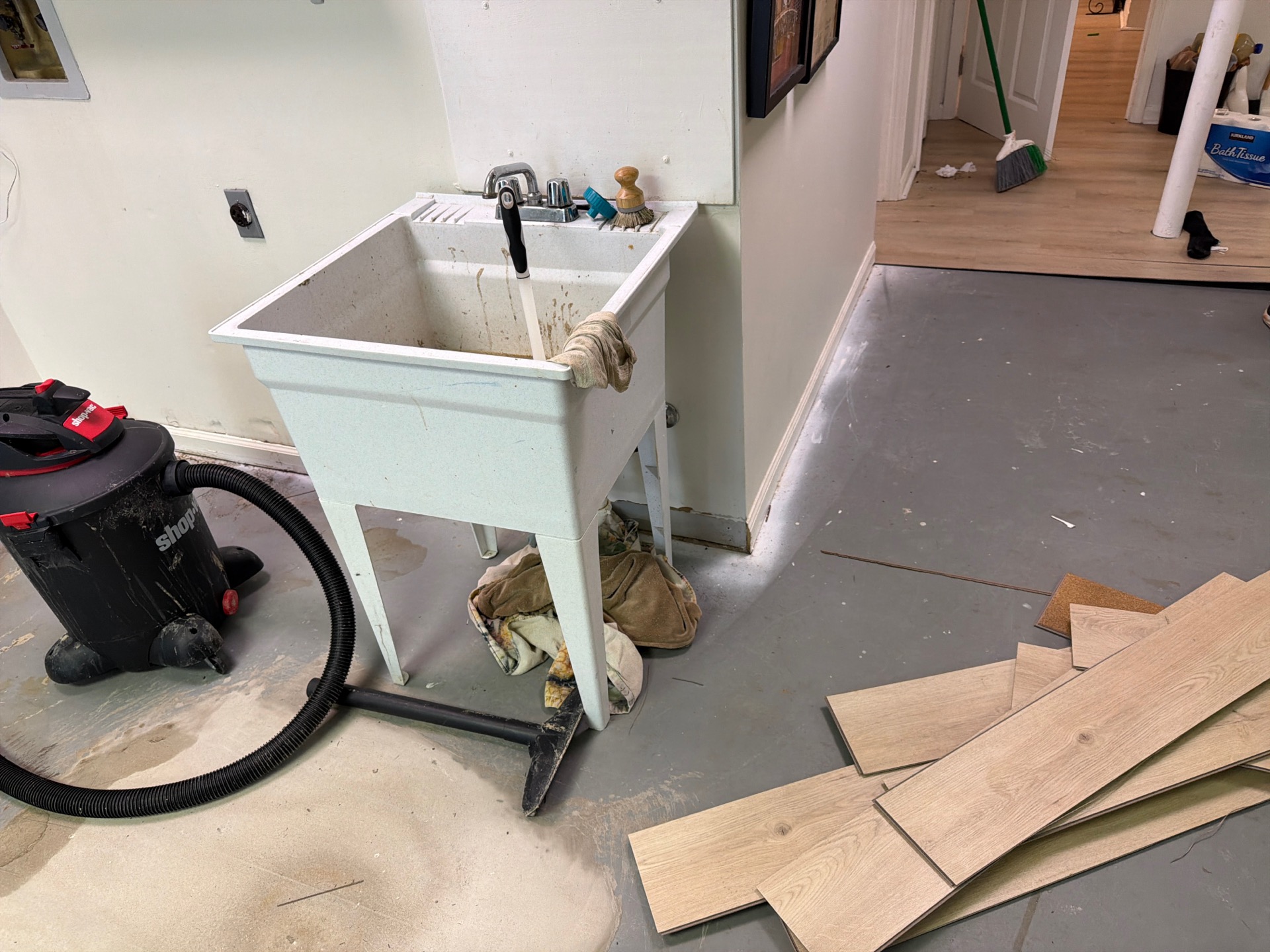
At home, water damage usually starts in a kitchen, bathroom, laundry room or utility closet and spreads into nearby rooms, ceilings below or the crawlspace. Our focus is protecting the structure, saving what can be saved and getting your household back to normal. We explain what is happening each day so you are never guessing. Common situations include a leaking dishwasher that soaks cabinets and flooring, a supply line failure upstairs that brings down a ceiling, or a water heater leak that spreads through a finished room.
Commercial Water Mitigation
For Greenville businesses and property managers, a water loss also means downtime. We assess quickly, protect unaffected spaces where practical, coordinate access with owners and tenants, and document affected areas for your records and insurer. Repairs are planned around your operations as much as the work allows. This applies to offices, retail spaces, multifamily buildings and other occupied properties where tenants, customers and employees still need safe access to unaffected areas.
From Mitigation to Reconstruction
After the structure is dry and stable, repairs may include new drywall, insulation, flooring, ceilings, trim or cabinets. GreenShield provides reconstruction as a core service, so the same team can take your property from emergency water mitigation to finished repairs.
That means one point of contact, no gap between contractors, and a rebuild crew that already knows what was removed and why.
Why Choose GreenShield Restoration
- We look beyond the water you can see. Water can travel beneath flooring, behind walls, around cabinets and into crawlspaces. Our focus is on understanding the full extent of the damage before deciding what needs to happen next.
- A clear scope before unnecessary removal. We explain what appears salvageable, what may need to be removed and why, so you understand the reasoning behind the mitigation plan instead of being left with unexplained demolition.
- Mitigation through reconstruction under one company. GreenShield can help move the property from water removal and drying into repairs and reconstruction, reducing the need to coordinate separate restoration and rebuilding contractors.
- Clear documentation and communication throughout the loss. We explain what was affected, the work being recommended and the next steps, while helping provide the restoration documentation needed when you are navigating an insurance claim.
- Local restoration support for Greenville and the Upstate. GreenShield is locally owned and serves homes and businesses throughout Greenville and surrounding Upstate communities, with restoration services built around the water, storm and property-damage problems faced in this market.
Areas We Serve
GreenShield Restoration provides water mitigation in Greenville first, with service across the Upstate.
Greenville and nearby: Greenville, Greer, Mauldin, Simpsonville, Fountain Inn, Travelers Rest, Taylors, Piedmont, Berea and Five Forks.
Across the Upstate: Easley, Pickens, Clemson, Central, Liberty, Six Mile, Norris, Powdersville, Anderson, Williamston, Pelzer, Belton, Honea Path, Spartanburg, Boiling Springs, Duncan, Wellford, Lyman, Moore, Reidville, Inman, Landrum, Woodruff, Laurens, Clinton and Cross Hill.
Extended areas: Gaffney, Seneca, Walhalla, Newberry, Tryon, Columbus and Saluda. Please call to confirm availability.
Get a Free Estimate
Our Services
Water Damage Emergency?
Talk with our restoration team about an inspection, remediation plan or free estimate.
Common Questions
Water Mitigation FAQs
Water mitigation is the emergency phase that stops damage from spreading through water removal, moisture control and drying. Water damage restoration comes afterward and repairs or rebuilds damaged materials once the structure is dry and stable.
As soon as possible. The EPA and CDC advise drying water damaged materials within 24 to 48 hours where possible to help prevent mold. Starting early also improves the chance of drying materials in place instead of replacing them.
No. The decision depends on the water source, how long materials were wet, saturation, condition and accessibility. Drywall wet from a clean leak is often dried in place, while wet insulation and contaminated materials usually need removal.
Often, yes, if drying starts quickly. Hardwood can usually be dried after a clean water leak. Cupping, buckling or long exposure may require repair or replacement, and floors soaked by floodwater are harder to save.
It varies with the materials involved, how saturated they are, the size of the area and conditions in the building. Drying is finished when moisture readings confirm the materials are dry, not after a set number of days.
Often, yes, when the damage is limited to part of the house. Drying equipment can be noisy, and larger losses, kitchen damage or contaminated water may make staying elsewhere more practical for a short time.
It depends on your policy and the cause. Sudden losses like a burst pipe are often treated differently from gradual leaks or flooding. Only your insurer can decide coverage, but good documentation helps any claim.
Generally, no. Greenville County flood guidance notes that standard homeowners policies do not cover flood damage from outside water. Separate flood insurance may apply. Check your policy or ask your agent.
Do both promptly. Stop the water if safe, call for mitigation so drying can begin, and notify your insurer. Waiting on a coverage decision before drying can allow the damage to spread.
Keep photos and video of the damage, receipts for emergency expenses, drying records, the scope of work and all communication with your insurer and contractors. Keep damaged items until your adjuster says otherwise.
Still have questions? Talk to our Greenville team: Call (864) 834-8123
Call GreenShield now for immediate restoration help. We'll help you understand what happened, what needs to happen next and how to get your property dry and back together.