
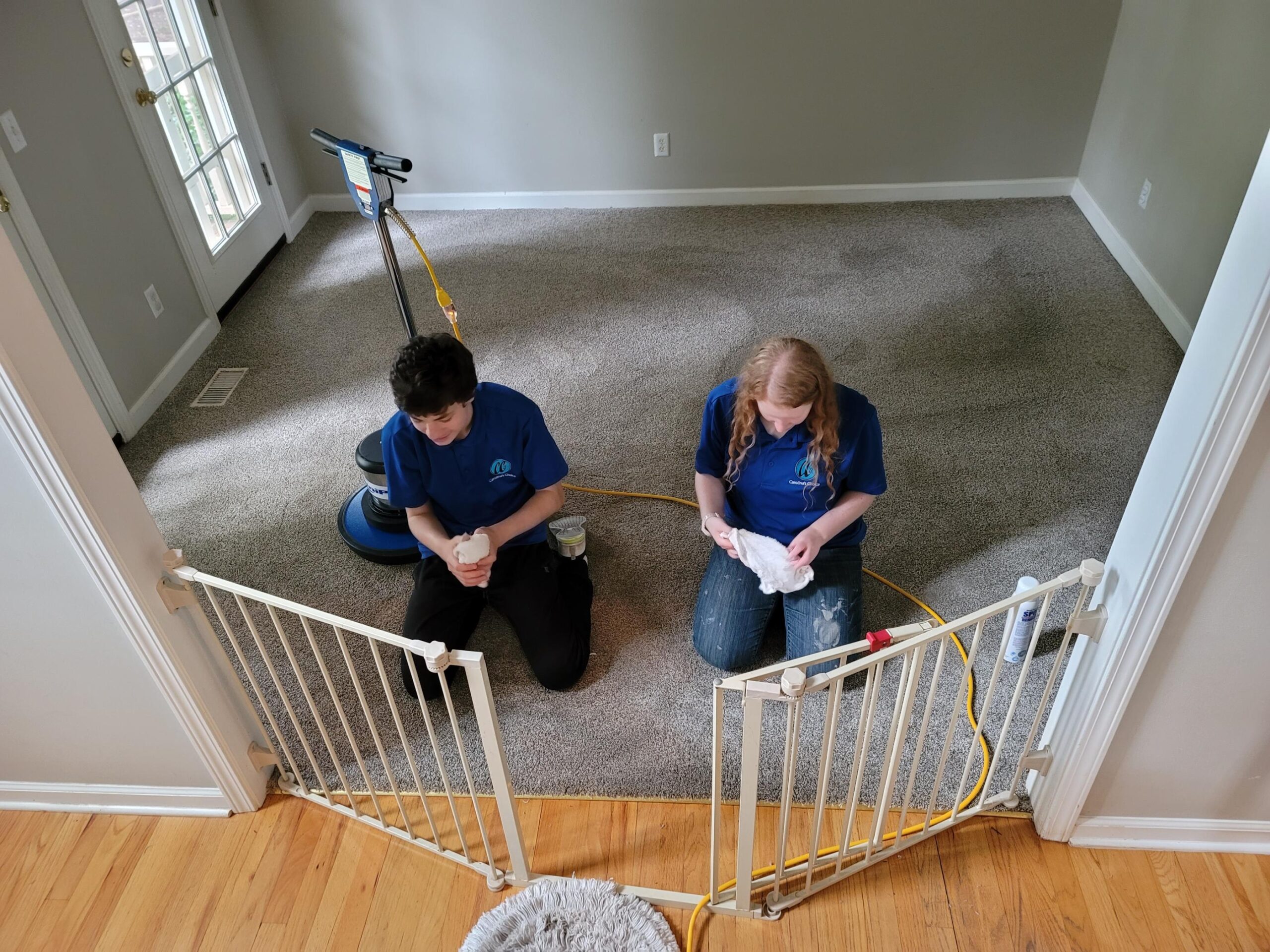
Mold Remediation & Removal in Greenville, SC
Professional Mold Remediation For Residential And Commercial Properties
Found mold on a wall, noticed a musty smell that won’t go away, or discovered growth after a leak? GreenShield Restoration helps Greenville homeowners and businesses find where the moisture is coming from, remove what is affected and put the property back together. Our team responds quickly, explains next steps clearly and focuses on safe, thorough remediation with minimal disruption to your property.
Found Mold? Start Here
If you find mold, don’t scrub, sand or tear into a large or unknown area. Stop any active water if it is safe to do so, keep people out of the space, take photos and have the extent assessed. Small surface spots are often manageable on your own. Larger, hidden or water related problems usually need a professional scope.
- Leave large areas alone. Disturbing moldy drywall, insulation or carpet can spread spores and debris into clean rooms.
- Stop the water safely. Shut off a supply valve or leaking appliance, and stay away from standing water near electrical outlets.
- Pause fans and HVAC if you suspect mold near vents, ductwork or the air handler.
- Document everything. Photos, dates and receipts help with scoping and any insurance conversation.
For health concerns, speak with a qualified healthcare professional. Our role is the building.
Found Mold in Your Greenville Home or Business?
Don’t disturb it. Our local team can inspect the area, find the moisture source and give you a clear plan and free estimate, 24/7.
Signs You May Have a Hidden Mold Problem
Hidden mold usually shows itself through the building rather than a visible patch. A lingering musty odor, stains that keep returning, a recent leak, soft drywall and a damp crawlspace are the most common clues. None of these proves mold on its own, but each one points to moisture worth checking.
- A musty smell that is stronger in one room, closet or cabinet
- Recurring stains on ceilings, walls or baseboards
- A recent toilet, appliance, water heater, roof or storm leak
- Peeling paint, bubbling drywall, swollen trim or cupping hardwood
- Condensation on windows, pipes or ducts
- Damp insulation or wet soil in the crawlspace
Allergy type symptoms do not confirm mold, and a clean looking wall does not rule it out. The reliable path is to trace the moisture and inspect the materials it reached, including the back of drywall inside wall cavities.
What Causes Mold in Greenville Homes and Businesses
Mold grows when a building stays wet. In Greenville, the usual sources are plumbing and appliance leaks, roof and window intrusion, HVAC condensate problems, damp crawlspaces and past water damage that was never fully dried. Cleaning visible growth without fixing that moisture source is the main reason mold comes back.
Greenville County averages about 50.7 inches of precipitation a year, based on the 1991 to 2020 normal from the South Carolina State Climatology Office. Rain alone doesn’t cause mold, but it gives water many chances to find a weak spot. The problems we see most often are practical ones:
- Slow leaks from toilet seals, supply lines, ice makers and water heaters
- Failed roof flashing, clogged gutters and leaking window or door seals
- Clogged condensate lines and sweating ductwork in attics and crawlspaces
- Ground moisture and poor drainage under raised foundation homes
- Storm water or earlier losses where wall cavities and subfloors stayed wet
Crawlspace Mold in Greenville
Crawlspace mold is driven by moisture from damp soil, poor drainage, humid outside air, plumbing leaks or HVAC condensation. It commonly affects floor joists, the subfloor and fiberglass insulation. Removal only lasts if the moisture condition that caused it is found and corrected.
Crawlspaces are one of the most confusing parts of mold remediation in Greenville. They are hidden, hard to reach and easy to disagree about.
Sound framing with surface growth can often be cleaned once dry. Wet or moldy insulation between the joists is generally removed. Rotted or weakened wood needs repair.
What a credible crawlspace assessment should tell you
- What was observed, with photos from inside the crawlspace
- Where the moisture is coming from and how that was determined
- Which materials are affected and roughly how much
- What remediation work is recommended for those materials
- What moisture control correction is recommended and why it fits the conditions found
Vapor barriers, drainage changes, dehumidification and encapsulation are moisture control decisions, not mold removal. They can be the right call, but the recommendation should connect to what was actually observed. If it doesn’t, ask why or get a second opinion.
Do You Need Mold Testing Before Remediation?
Often, no. When mold is visible and the moisture problem is obvious, routine air sampling usually doesn’t change the plan. The CDC’s NIOSH notes there are no health based standards for indoor mold levels, so a lab number alone cannot say whether a space is safe.
Testing can still be useful when the source is unclear, two assessments disagree, a property sale needs documentation, or a project calls for independent verification after the work. Many owners prefer an independent assessor with no stake in the remediation.
If a home inspection flags mold on a house you are buying or selling, focus on the moisture source, the extent of the damage, the scope of work and the repairs that follow. For contract or disclosure questions, talk with your agent or attorney.
Our Mold Remediation Process
Our process follows the building, not a spray bottle. We assess the damage, identify the moisture source, contain the work area, remove or clean affected materials, control dust, dry the structure and then repair what was removed. Every step depends on what we actually find on site.
- Assessment and scope. We inspect the damage, the likely moisture pathways and the materials involved, then explain what we found and the work we recommend.
- Moisture source. We identify the leak, condensate line, intrusion point or crawlspace condition and make sure its correction is part of the plan.
- Containment. The work area is isolated from the rest of the property to reduce cross contamination.
- Removal or cleaning. Heavily affected porous materials are removed and bagged. Salvageable surfaces are cleaned.
- Dust control. HEPA vacuuming and air filtration are standard ways to capture fine debris released during the work.
- Structural drying. Framing and subfloor are dried and moisture levels are checked before anything is closed up.
- Repairs and reconstruction. Drywall, insulation, flooring and finishes that were removed are rebuilt.
What Can Be Cleaned and What May Need Removal?
It depends on the material, how long it stayed wet and how far the growth spread. Hard surfaces such as glass, metal, tile and sealed counters can usually be cleaned. Saturated drywall, insulation and carpet pad usually need removal. Sound wood framing with surface growth can often be cleaned once dry.
There is no single rule for every job, which is why a clear written scope matters. It should list what is being removed, what is being cleaned and why.
Mold After Water Damage:
The EPA advises drying water damaged materials within 24 to 48 hours whenever possible to reduce the chance of mold growth. After a significant leak or flood, a surface can look dry while the wall cavity, subfloor or insulation behind it stays wet. That hidden moisture is where mold usually starts.
A supply line fails, the water gets mopped up, and weeks later a smell appears. If water is still active or the loss just happened, start with our water damage restoration in Greenville. Fast, thorough drying is the best mold prevention there is.
Residential Mold Remediation:
Mold in a home usually starts where water collects: bathrooms with failed tub or shower seals, kitchens with dishwasher or sink leaks, laundry rooms, attics with roof or condensate leaks, utility closets and crawlspaces. We contain the affected area, protect the rest of the house and plan the work around your household. Before we start, you’ll know which rooms stay usable and what to expect each day.
Commercial Mold Remediation
Offices, retail spaces, rental properties and other occupied buildings need a careful plan. For businesses and property managers, we focus on containment that keeps work out of shared areas, scheduling around operations where the layout allows, one clear point of contact, and documentation of the cause, affected areas and completed work for your records, insurer or tenants.
What Affects Mold Remediation Cost in Greenville?
Cost depends on the size of the affected area, access, containment needs, which materials must be removed, drying, the moisture source repair and any rebuilding afterward. A responsible price comes from an on site assessment, not a flat number over the phone.
When comparing quotes, compare the scopes rather than the totals. A good scope explains where the moisture came from, which areas are affected, what containment will be used, what is removed versus cleaned, how drying will be confirmed and what is excluded. If a proposal includes large add ons, ask how each one ties to the conditions found.
Repairs and Reconstruction After Mold Removal
Mold remediation often means opening walls, pulling insulation or removing flooring and trim. Once the area is clean and dry, those materials need to be replaced. GreenShield provides reconstruction as a core service, so your project can move from remediation to repairs without hiring a separate contractor.
The team that removed the damaged materials knows exactly what came out and why. Repairs start from a dry structure, and you keep one point of contact from the first assessment to the final walkthrough. Not every mold job needs reconstruction. Smaller projects may only involve cleaning and drying.
Why Choose GreenShield Restoration
- Locally owned and Greenville focused. We serve homeowners and businesses throughout Greenville and the surrounding Upstate communities.
- Licensed, bonded and insured. Choose a properly established restoration company for work inside your home or business.
- Complete restoration under one company. Water damage, mold remediation, fire and smoke damage restoration, and reconstruction from initial cleanup through rebuilding.
- Clear communication from start to finish. We explain what we found, what work is recommended, why it is needed and what happens next.
- Restoration for homes and businesses. GreenShield supports residential and commercial properties across Greenville and the Upstate.
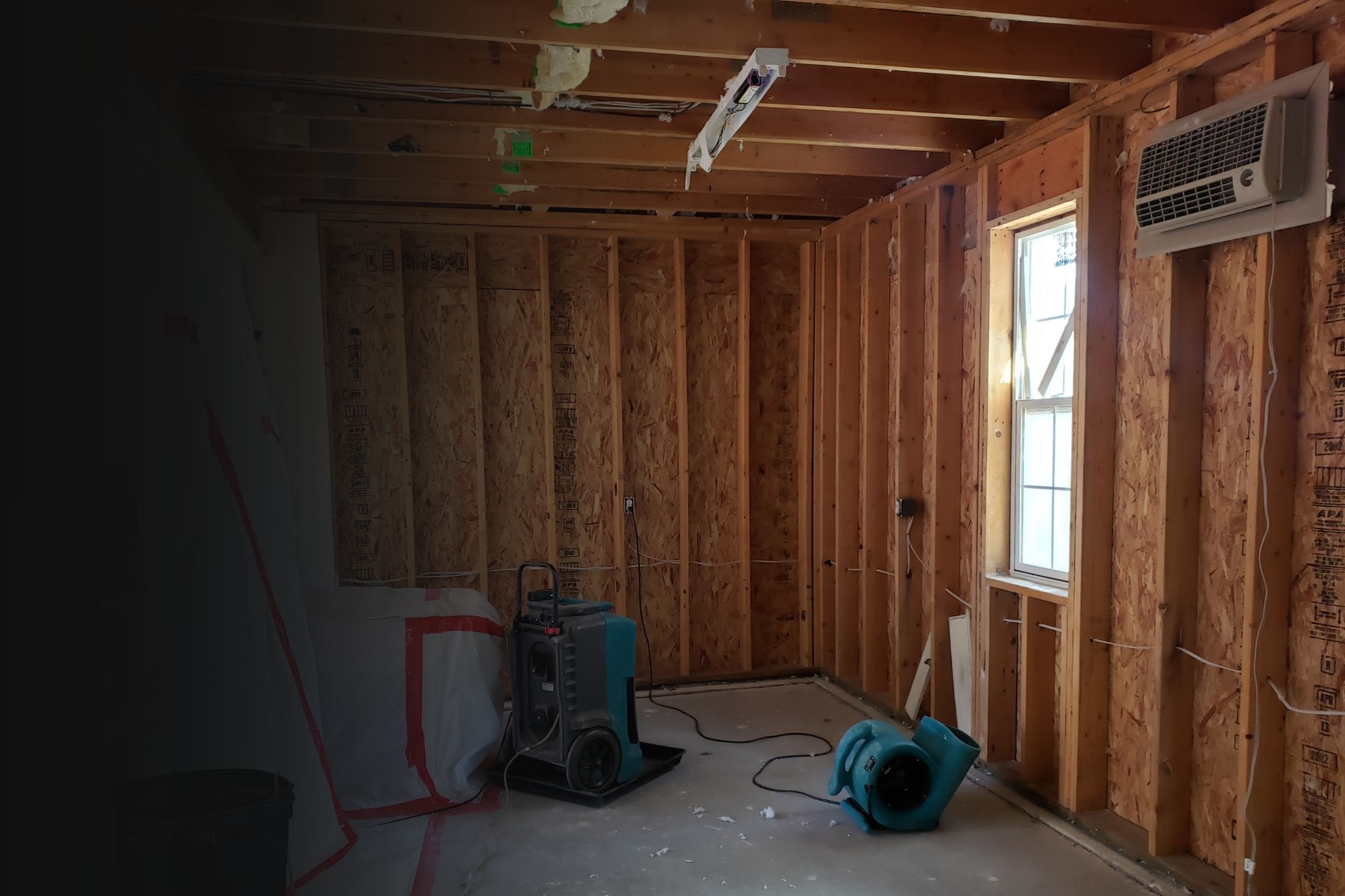
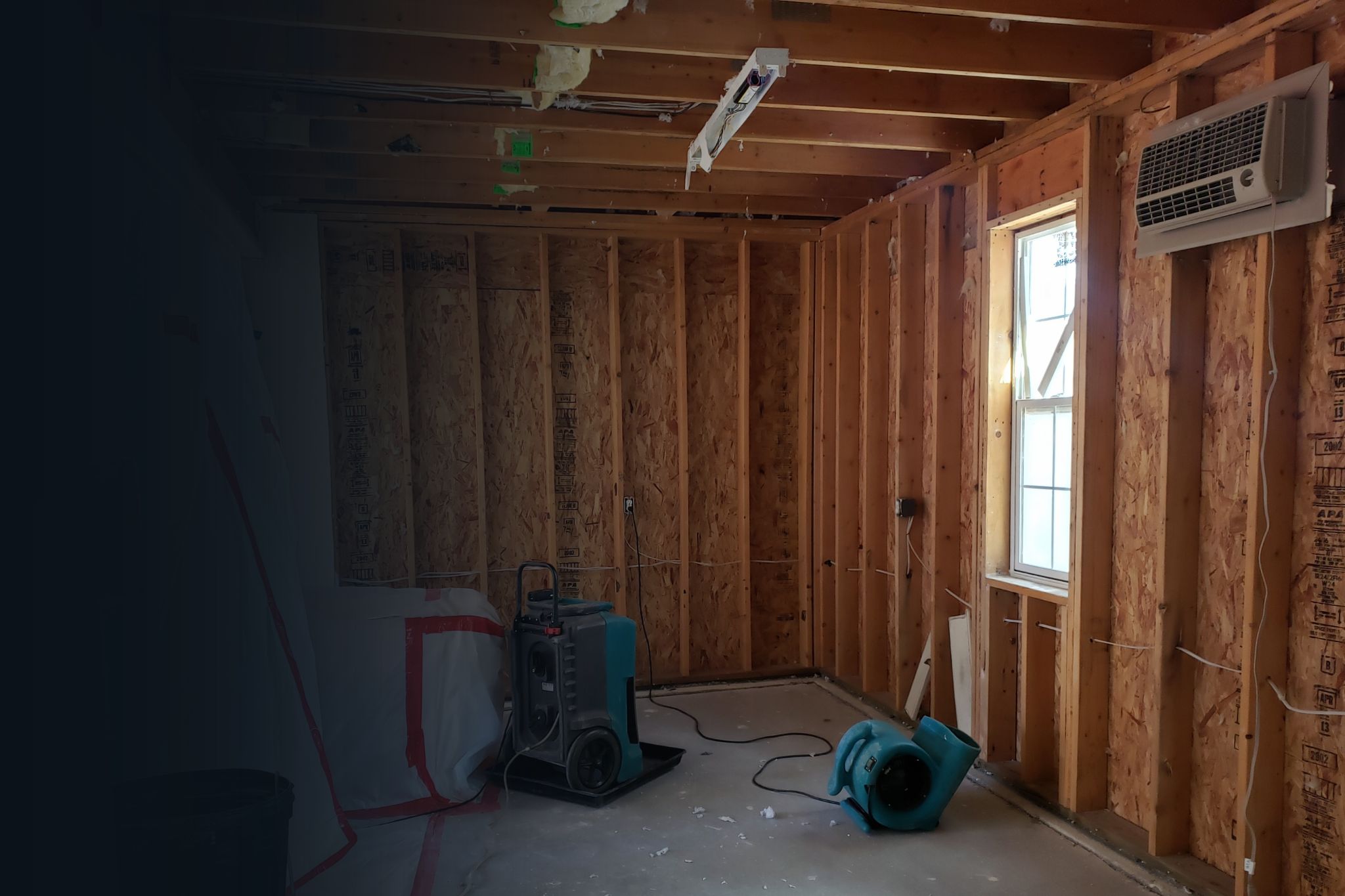
Our Recent Mold Remediation Work in Greenville
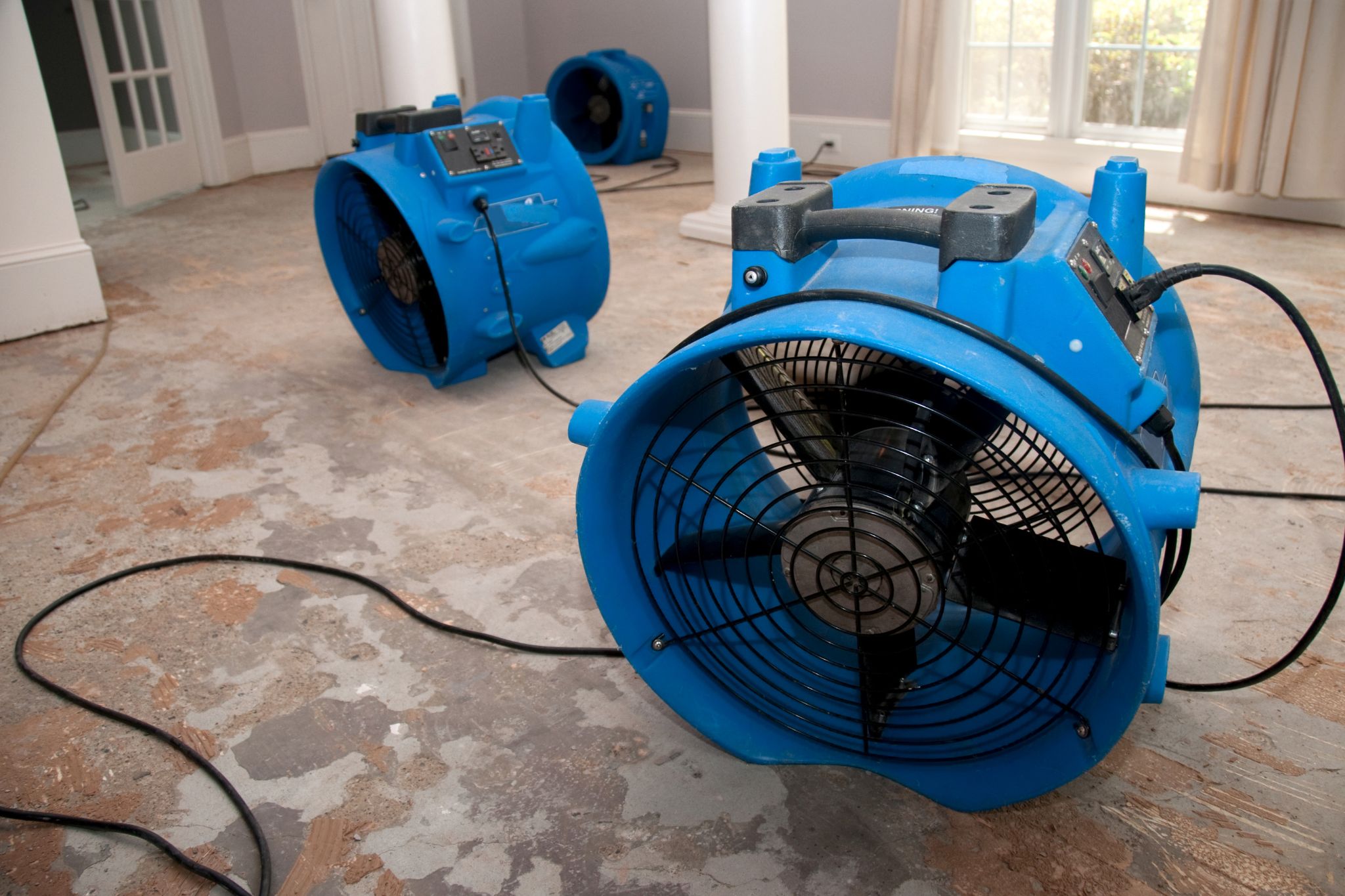
Here are a few real jobs our team has completed for homeowners and businesses in Greenville and the Upstate, from containment and removal to drying and rebuilding.
Mold Remediation Across Greenville and the Upstate
GreenShield Restoration is based in Greenville and serves homes and businesses throughout the Upstate. Our Greenville market comes first, with service extending to surrounding communities as availability and project scope allow.
Greenville and nearby: Greenville, Greer, Mauldin, Simpsonville, Fountain Inn, Travelers Rest, Taylors, Piedmont, Berea and Five Forks.
Across the Upstate: Easley, Pickens, Clemson, Central, Liberty, Six Mile, Norris, Powdersville, Anderson, Williamston, Pelzer, Belton, Honea Path, Spartanburg, Boiling Springs, Duncan, Wellford, Lyman, Moore, Reidville, Inman, Landrum, Woodruff, Laurens, Clinton and Cross Hill.
Extended areas: Gaffney, Seneca, Walhalla, Newberry, Tryon, Columbus and Saluda. Please call to confirm availability.
Get a Free Estimate
Our Services
Need Help With Mold or Water Damage?
Talk with our restoration team about an inspection, remediation plan or free estimate.
Common Questions
Common Mold Remediation Questions Answered By Our Experts
You likely need professional help if mold covers more than about 10 square feet, returns after cleaning, followed significant water damage, involves sewage, is near your HVAC system or seems hidden inside walls, floors or a crawlspace. Small surface spots with a known, fixed cause are often manageable yourself.
Often, yes, for small areas. The EPA says many mold problems under about 10 square feet can be handled by a homeowner. Fix the moisture first, wear gloves and eye protection, clean hard surfaces with detergent and water, and dry them fully. Larger or recurring growth deserves a professional look.
Not always. If mold is visible and the moisture source is clear, testing usually won't change the plan, and there are no health based indoor mold standards. Testing can help when the source is unclear, assessments conflict or a property sale needs documentation.
Most crawlspace mold comes from ongoing moisture: damp soil, poor drainage around the foundation, humid air condensing on cool surfaces, plumbing leaks or HVAC condensate. Joists, subfloor and insulation are the materials usually affected. Lasting results require correcting the moisture condition, not just treating the wood.
Bleach isn't the answer for most mold problems. The EPA does not recommend biocides like bleach as a routine cleanup step, and killing mold is not the same as removing it. Bleach does little for porous materials like drywall. Never mix bleach with ammonia.
Color does not tell you how dangerous mold is. According to the CDC, all indoor mold growth should be handled the same way: fix the moisture and remove the growth. The size, location and cause of the problem matter far more than the color.
Sometimes. Coverage depends on your policy and the cause. Mold from a sudden, covered water event may be treated differently than mold from long term leaks or humidity, and many policies cap mold coverage. Your insurer makes the final decision.
Often, yes, for contained projects in one part of the house. Larger projects, work in main living areas or damage involving the HVAC system may make temporary relocation more practical. We'll discuss this before work begins. If anyone has health concerns, ask a healthcare professional.
Not if the moisture stays under control. Mold spores exist naturally indoors and outdoors, so no remediation removes every spore. The goal is to remove the growth and correct the conditions that caused it. If the leak or humidity problem returns, mold can too.
We do. Reconstruction is one of GreenShield's core services, so after remediation and drying we can replace drywall, insulation, flooring and other finishes that had to be removed. Your project stays with one company from assessment to final repairs.
Still have questions? Talk to our Greenville team: Call (864) 834-8123
Start with a conversation. Tell us what you're seeing or smelling and what happened with the water. We'll help you understand whether it's something you can handle yourself or a job that needs a professional scope. If it does, we'll take it from the source to the rebuild.