
Crawlspace Encapsulation in Greenville, SC
Professional Crawlspace Encapsulation and Moisture Control for Upstate Homes
Musty smell in the house, damp insulation hanging under the floor, or a home inspector who flagged moisture in the crawlspace? GreenShield Restoration helps Greenville homeowners find out what is really going on under the house, fix the damage that is already there and seal the crawlspace so it stays dry. We explain what we find, show you photos from inside the crawlspace and recommend only the work the conditions call for.
Wet Crawlspace? Start Here
A damp crawlspace rarely turns into an emergency overnight, but it does not fix itself either. Before anyone sells you a liner, it helps to know where the moisture is coming from and what it has already reached. A few simple steps make that assessment faster and more accurate.
- Look for standing water. Water pooling on the soil after rain points to a drainage problem that should be addressed before or with encapsulation.
- Check for active leaks. Supply lines, drain lines and HVAC condensate lines under the house are common sources. Shut off a leaking line if it is safe to do so.
- Don't pull insulation yourself. Wet or moldy insulation can release debris, and crawlspaces can hide wiring, sharp fasteners and pests.
- Take photos from the access door. Pictures, dates and any past inspection reports help us scope the job and support any insurance conversation.
If the soil, framing or ductwork is visibly wet after a leak or storm, start with our water damage restoration team. Drying comes before sealing.
Worried About the Crawlspace Under Your Greenville Home?
Our local team can inspect the crawlspace, document what we find and give you a clear plan and free estimate.
Signs Your Crawlspace Needs Attention
Most crawlspace problems show up inside the house before anyone crawls underneath it. A lingering musty odor, soft or cupping floors and high indoor humidity are the most common clues. None of these proves the crawlspace is the cause, but each one is worth checking.
- A musty or earthy smell that is stronger on the main floor or near floor vents
- Hardwood that cups, gaps or buckles, or floors that feel soft or bouncy
- Insulation that is sagging, wet or falling out from between the floor joists
- A torn, missing or partial plastic vapor barrier over bare soil
- Water stains, white mineral deposits or dampness on foundation walls and piers
- Condensation on ductwork, pipes or the underside of the subfloor
- Visible mold growth or dark staining on joists and the subfloor
- More bugs, rodents or other pests than usual around the foundation
A dry looking floor above does not rule out a crawlspace problem. The reliable way to know is a hands on inspection with moisture readings on the framing and subfloor.
What Causes Crawlspace Moisture in Greenville
Many older and mid century homes in Greenville sit on raised foundations over bare soil. That soil gives off moisture all year, and traditional foundation vents let in warm, humid summer air that condenses on cooler surfaces under the house. Add a leak or poor drainage, and the crawlspace stays damp for months at a time.
Greenville County averages about 50.7 inches of precipitation a year, based on the 1991 to 2020 normal from the South Carolina State Climatology Office. The problems we see most often under Upstate homes are practical ones:
- Bare soil with no vapor barrier, or an old barrier that is torn and full of gaps
- Open foundation vents pulling in humid outside air during the summer
- Gutters, downspouts and grading that send rainwater toward the foundation
- Leaking supply lines, drain lines and water heater connections
- Sweating ductwork and clogged HVAC condensate lines
- Past water damage where the framing and insulation were never fully dried
What Is Crawlspace Encapsulation?
Crawlspace encapsulation seals the crawlspace off from the ground and the outside air so moisture levels can be controlled. It typically combines a heavy vapor barrier over the soil and up the walls, sealed vents and openings, and a way to keep the air dry, such as a dehumidifier.
A basic vapor barrier and a full encapsulation are not the same thing. A loose sheet of plastic over the dirt helps, but it leaves the walls, vents and seams open. Encapsulation closes those gaps and adds moisture control so the space stays dry through Greenville’s humid summers.
What a typical encapsulation can include
- Cleanup of debris, old plastic and damaged insulation
- A durable, reinforced vapor barrier over the floor with overlapped and taped seams
- Liner run up the foundation walls and around piers, mechanically fastened and sealed
- Sealing foundation vents, gaps and penetrations, and an insulated or sealed access door
- A crawlspace dehumidifier or other air drying method, sized to the space
- Drainage corrections or a sump pump where water collects
Every crawlspace is different. The right scope depends on the size, access, soil and water conditions and the condition of the framing above it.
Is Crawlspace Encapsulation Right for Your Home?
Often, yes. For homes with a damp crawlspace, recurring musty odors or a history of mold and insulation problems, encapsulation is one of the most effective long term fixes. It can also make the space cleaner for plumbing, HVAC and electrical work down the road.
It is not always the first step, though. Standing water needs a drainage fix. Active leaks need repair. Mold, wet insulation and rotted wood need to be addressed before a liner goes down, or the problem gets sealed in. A good recommendation connects each part of the scope to something that was actually observed under the house.
If you are buying or selling a home and the inspection report mentions crawlspace moisture, focus on the moisture source, the extent of any damage and the scope of work to correct it. For contract or disclosure questions, talk with your agent or attorney.
Our Crawlspace Encapsulation Process
Our process starts with what is actually under the house. We inspect, fix what is damaged, correct the moisture source and then seal the space so it stays dry. Every step depends on what we find on site.
- Inspection and moisture readings. We check the soil, walls, framing, subfloor, insulation, ductwork and plumbing, take moisture readings and photograph what we find.
- Clear scope and estimate. We walk you through the photos, explain what is causing the moisture and recommend the work that fits those conditions.
- Cleanout and removal. Debris, old plastic and wet or damaged insulation are removed and hauled away.
- Remediation and repairs. Mold on framing is addressed, and damaged joists, sill plates or subfloor are repaired before anything is sealed.
- Drainage and leaks. Leaks are repaired and drainage or sump solutions are added where water collects.
- Sealing and liner installation. Vents and openings are sealed, and the vapor barrier is installed across the floor and up the walls with sealed seams.
- Moisture control and final check. A dehumidifier or other drying method is installed and set up, and we confirm conditions before the job is closed out.
Crawlspace Mold, Insulation and Wood Damage Come First
Encapsulation is a moisture control upgrade, not a mold removal method. If there is mold on the joists or subfloor, soaked insulation or soft, rotting wood, that damage needs to be handled before the crawlspace is sealed. Covering it up only hides the problem.
Sound framing with surface growth can often be cleaned once dry. Wet or moldy insulation between the joists is generally removed. Rotted or weakened wood needs repair. Because GreenShield handles mold remediation and reconstruction in house, your crawlspace can go from cleanup to repairs to encapsulation with one team.
Encapsulation vs. a Basic Vapor Barrier:
A vapor barrier is a sheet of plastic over the soil. It reduces ground moisture but leaves the walls, vents and seams open. Encapsulation seals the whole space and adds moisture control. For a dry crawlspace with minor humidity, a barrier alone may be enough. For a crawlspace with a history of dampness, odor or mold, full encapsulation is usually the stronger long term choice.
Dehumidifiers and Drainage:
Sealing a crawlspace keeps humid air out, but the air inside still needs to stay dry. Most encapsulations use a dedicated crawlspace dehumidifier with a drain line so it runs without being emptied. The general goal is to keep relative humidity in the crawlspace below about 60 percent. Where water enters during heavy rain, a drainage correction or sump pump is part of the plan.
Rental and Commercial Properties
Landlords, property managers and small commercial owners deal with crawlspace moisture too. We schedule around tenants where possible, keep one clear point of contact and document the conditions found and the work completed for your records, insurer or buyers.
What Affects Crawlspace Encapsulation Cost in Greenville?
Cost depends on the size and height of the crawlspace, access, how much cleanout and insulation removal is needed, any mold remediation or wood repair, drainage or sump work, the liner and sealing materials, and the dehumidifier. A responsible price comes from an on site inspection, not a flat number over the phone.
When comparing quotes, compare the scopes rather than the totals. A good scope explains where the moisture is coming from, what damage was found, what is being removed or repaired, how the liner will be installed and sealed, and how humidity will be controlled afterward. If a proposal includes large add ons, ask how each one ties to what was found under your home.
Repairs After Crawlspace Damage
Long term crawlspace moisture can weaken floor joists, sill plates and subfloor, and it often damages the flooring above. GreenShield provides reconstruction as a core service, so structural repairs and flooring replacement can happen as part of the same project instead of hiring a separate contractor.
The team that inspected the crawlspace knows exactly what was damaged and why. Repairs start from a dry structure, and you keep one point of contact from the first inspection to the final walkthrough. Not every crawlspace needs repairs. Many only need cleanout, sealing and moisture control.
Why Choose GreenShield Restoration
- Locally owned and Greenville focused. We serve homeowners and businesses throughout Greenville and the surrounding Upstate communities.
- Licensed, bonded and insured. Choose a properly established restoration company for work under your home or business.
- Restoration first, not a sales pitch. We handle water damage, mold remediation and reconstruction, so we fix the damage before we seal anything.
- Photos and clear communication. We show you what we found, explain what work is recommended, why it is needed and what happens next.
- One team from cleanout to encapsulation. Inspection, remediation, repairs and sealing handled under one company.
Our Recent Crawlspace Work in Greenville
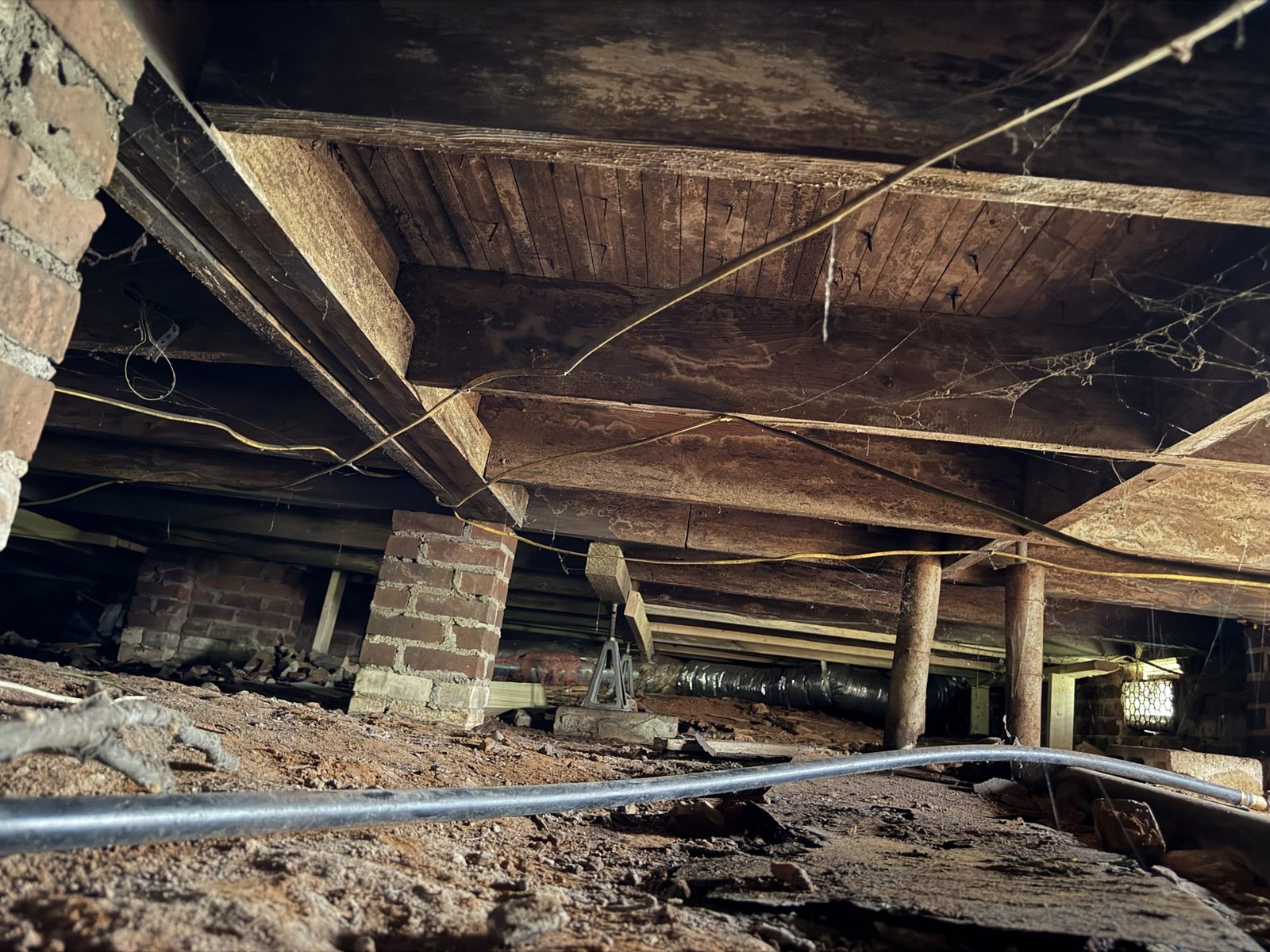
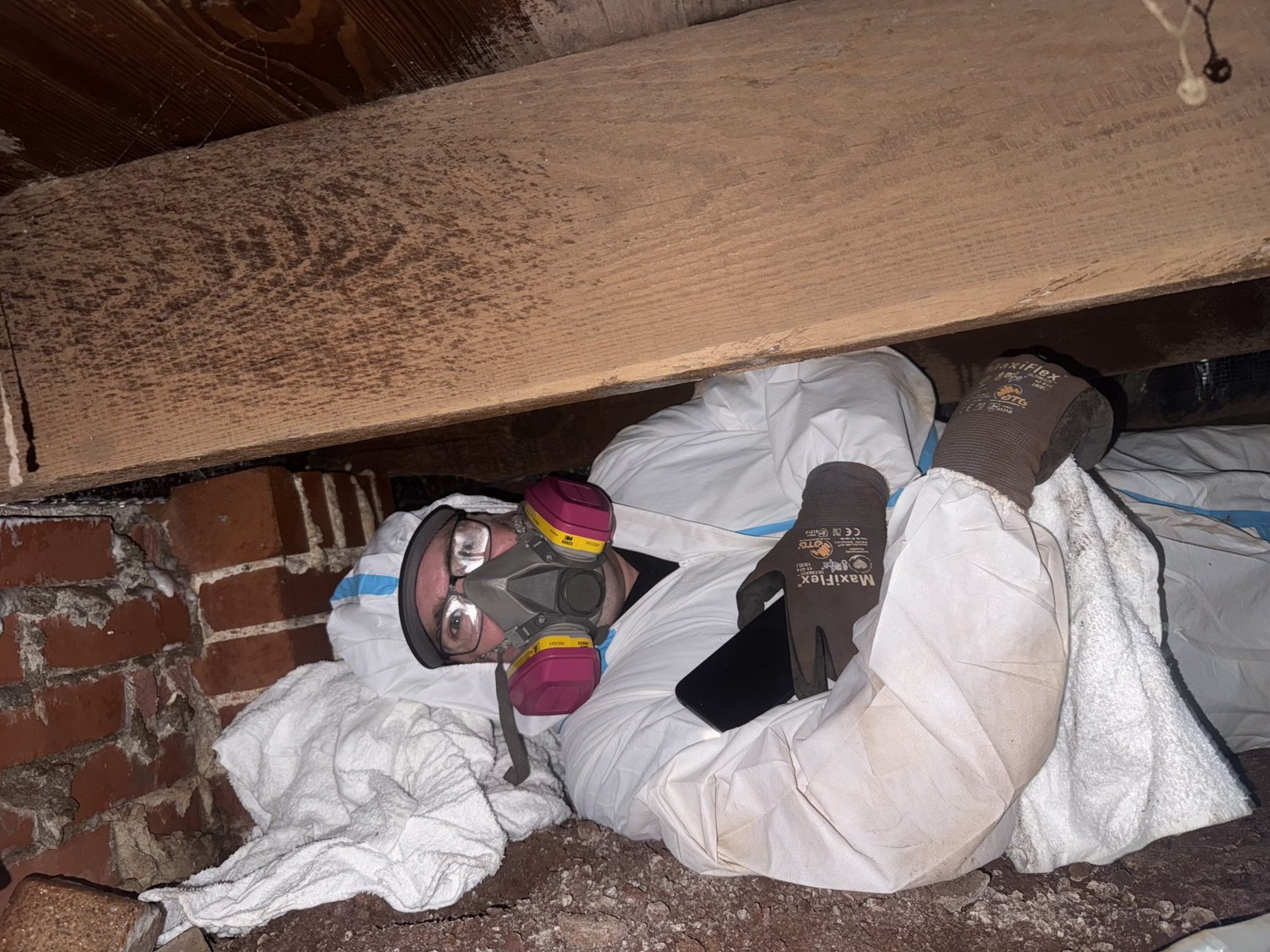
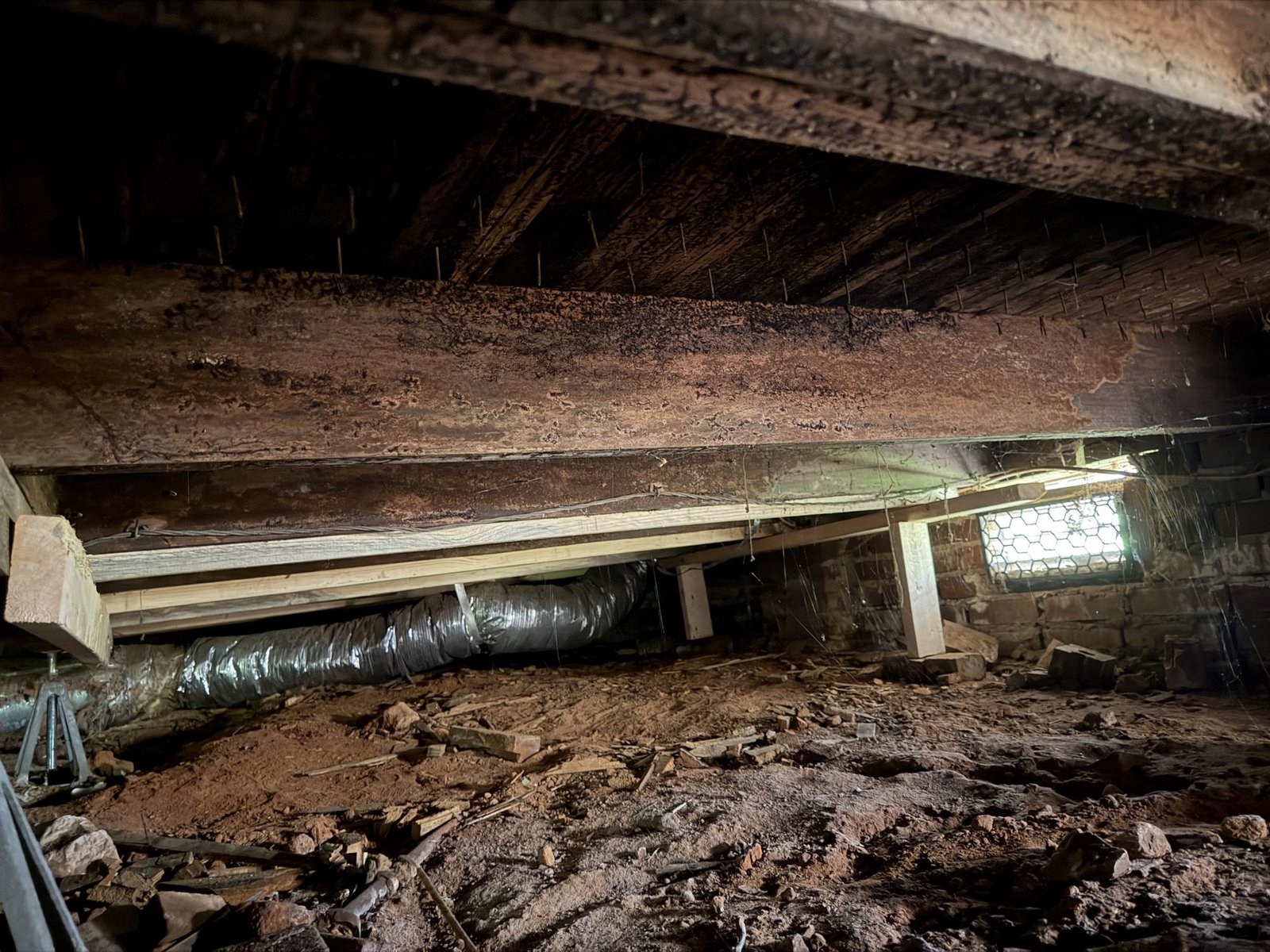
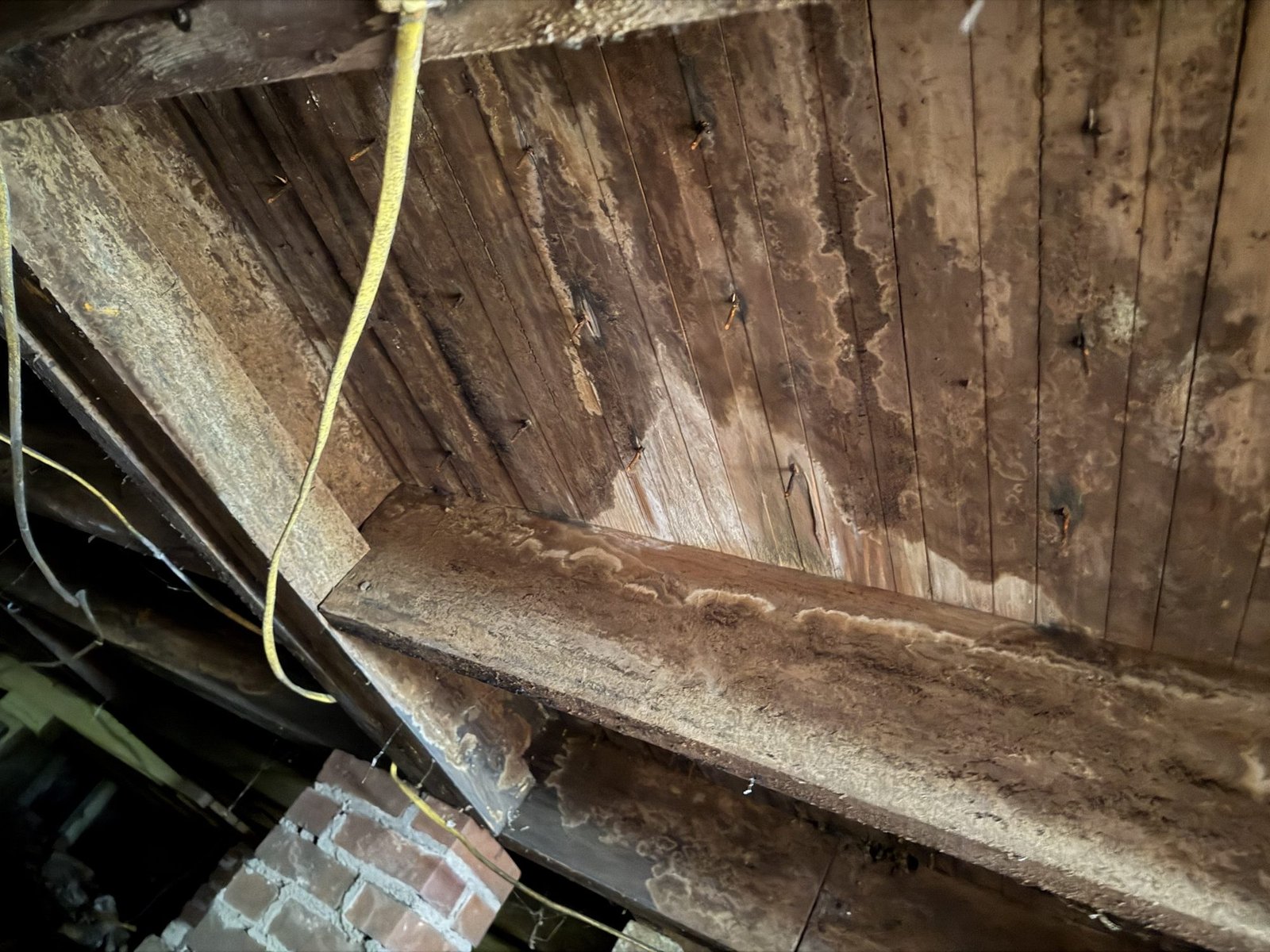
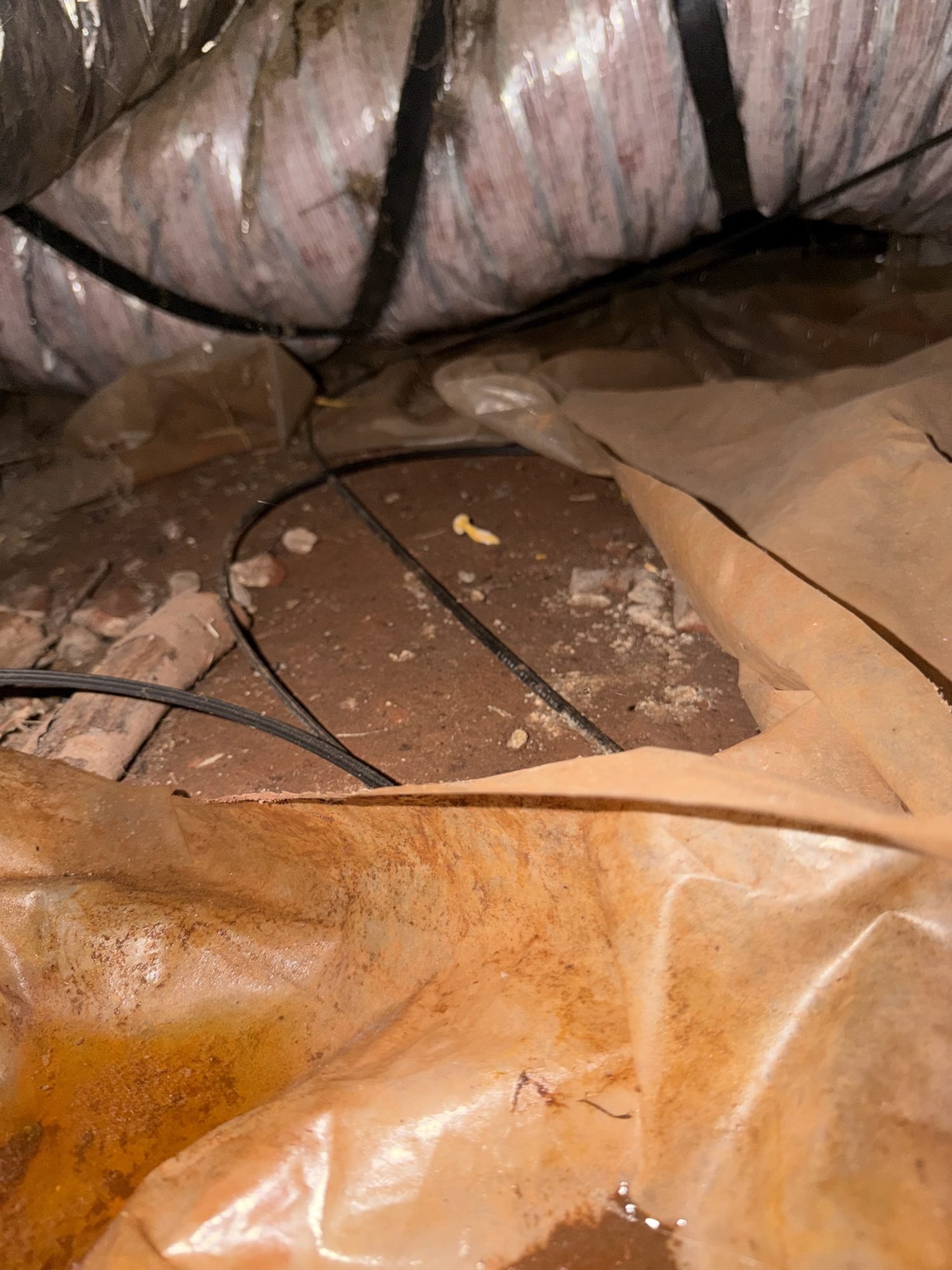
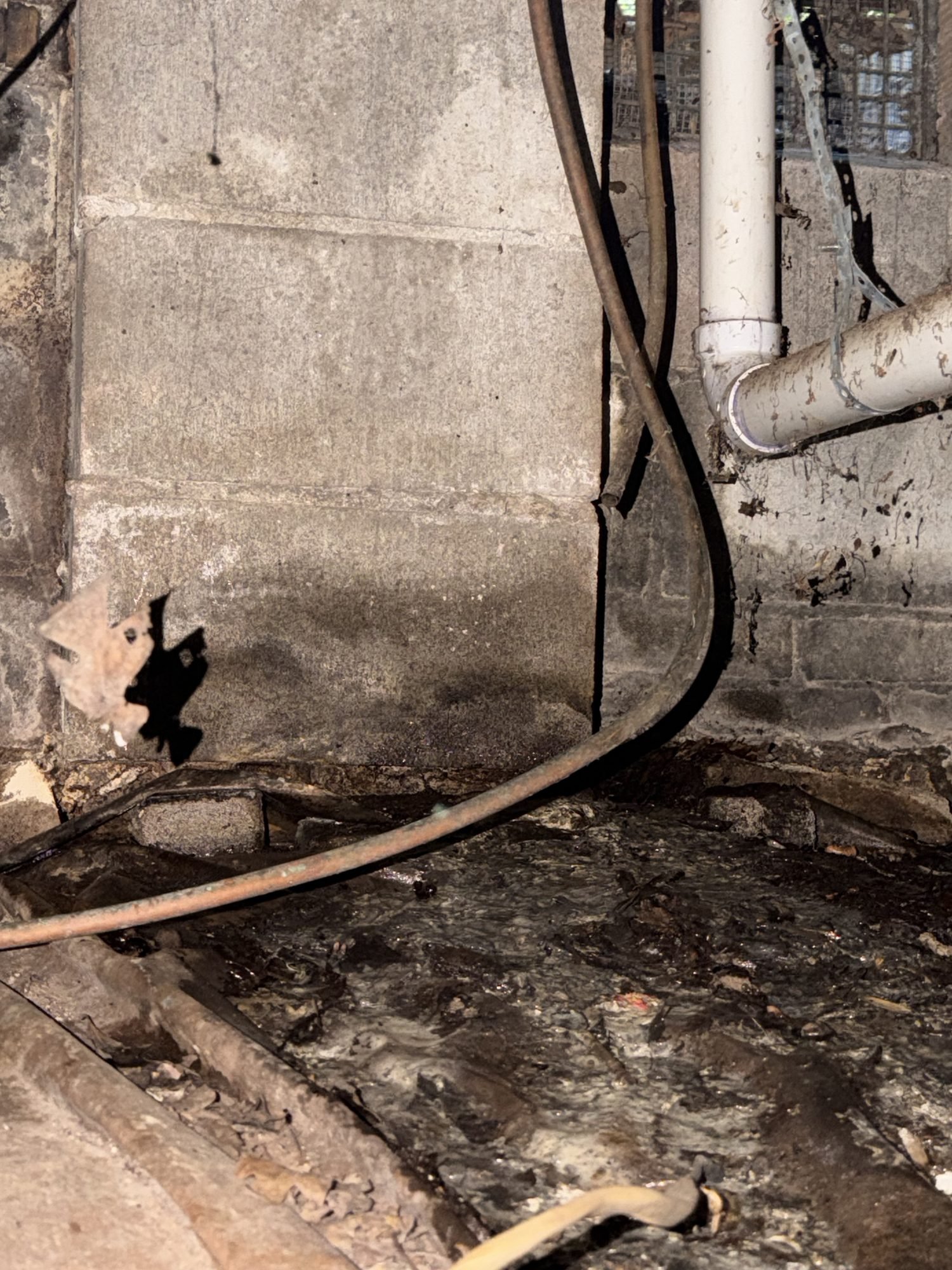
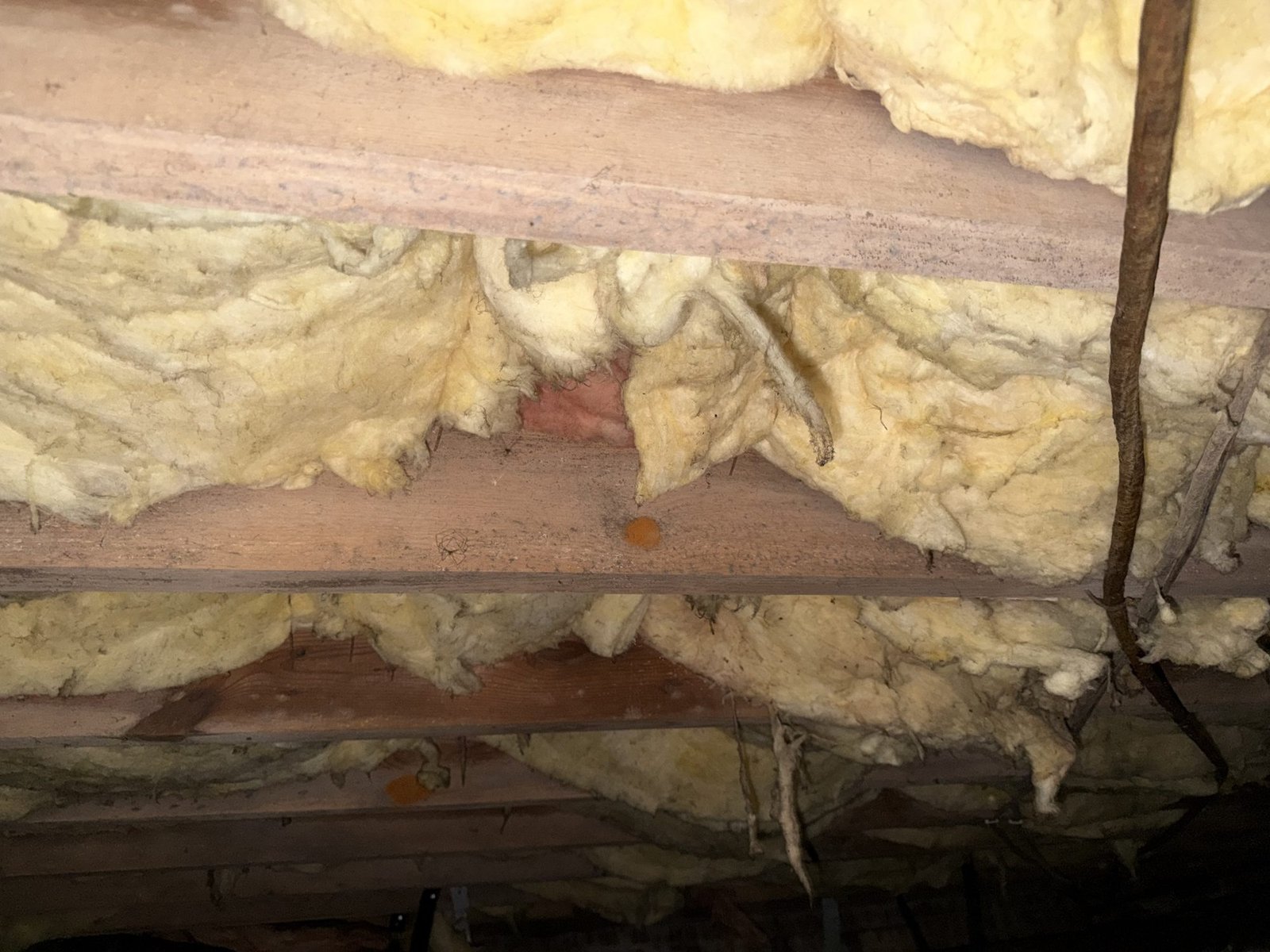
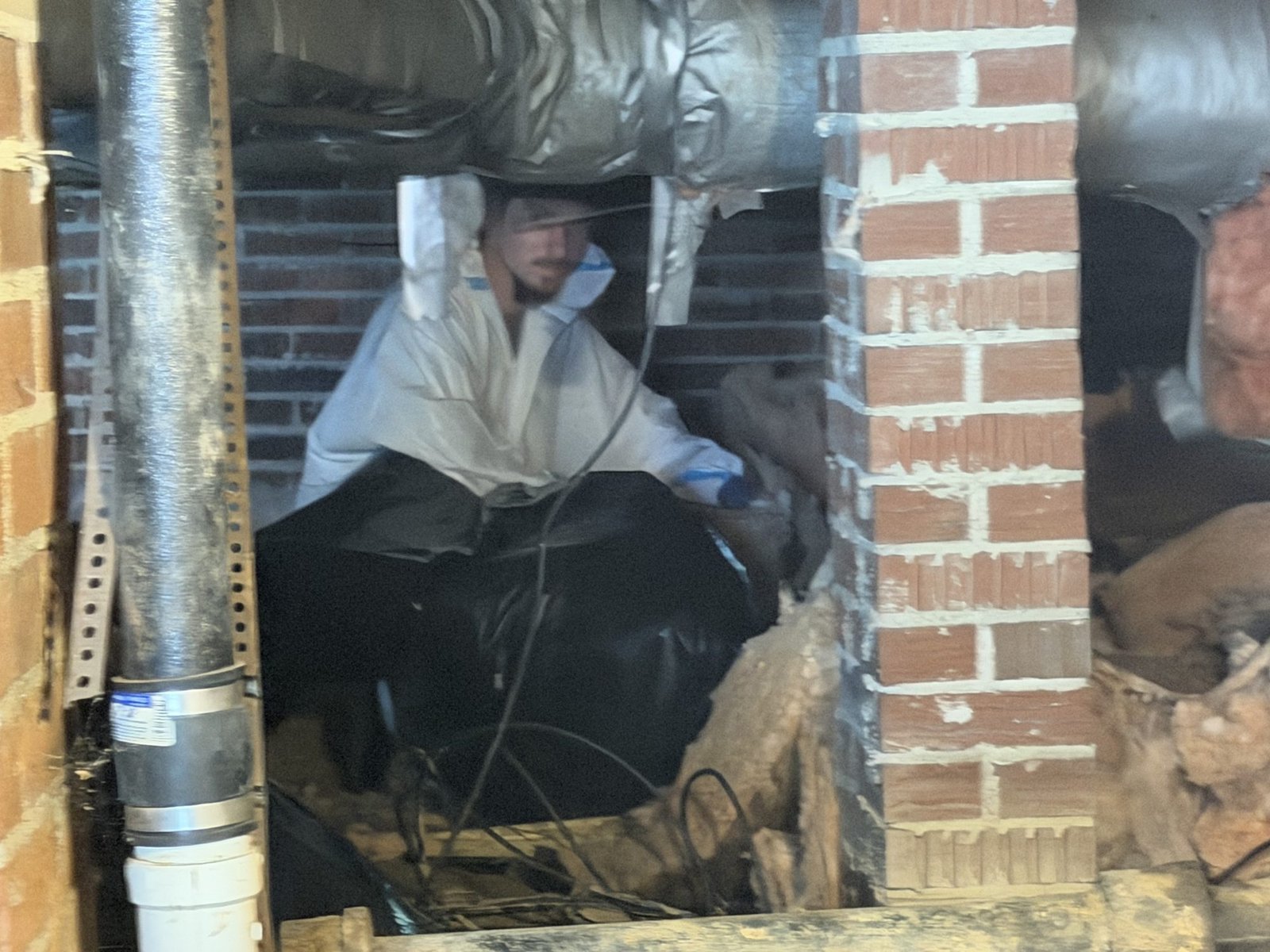
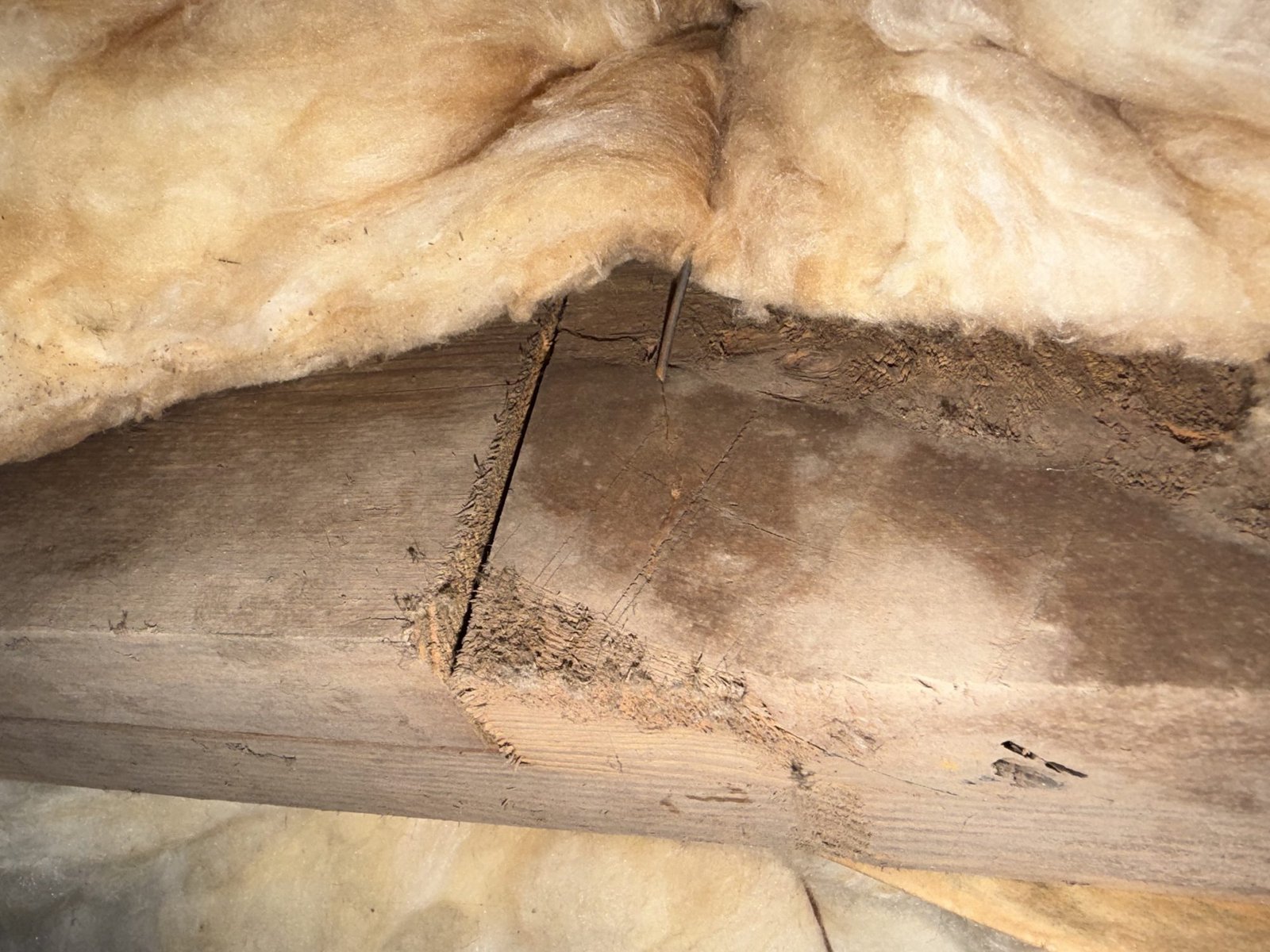
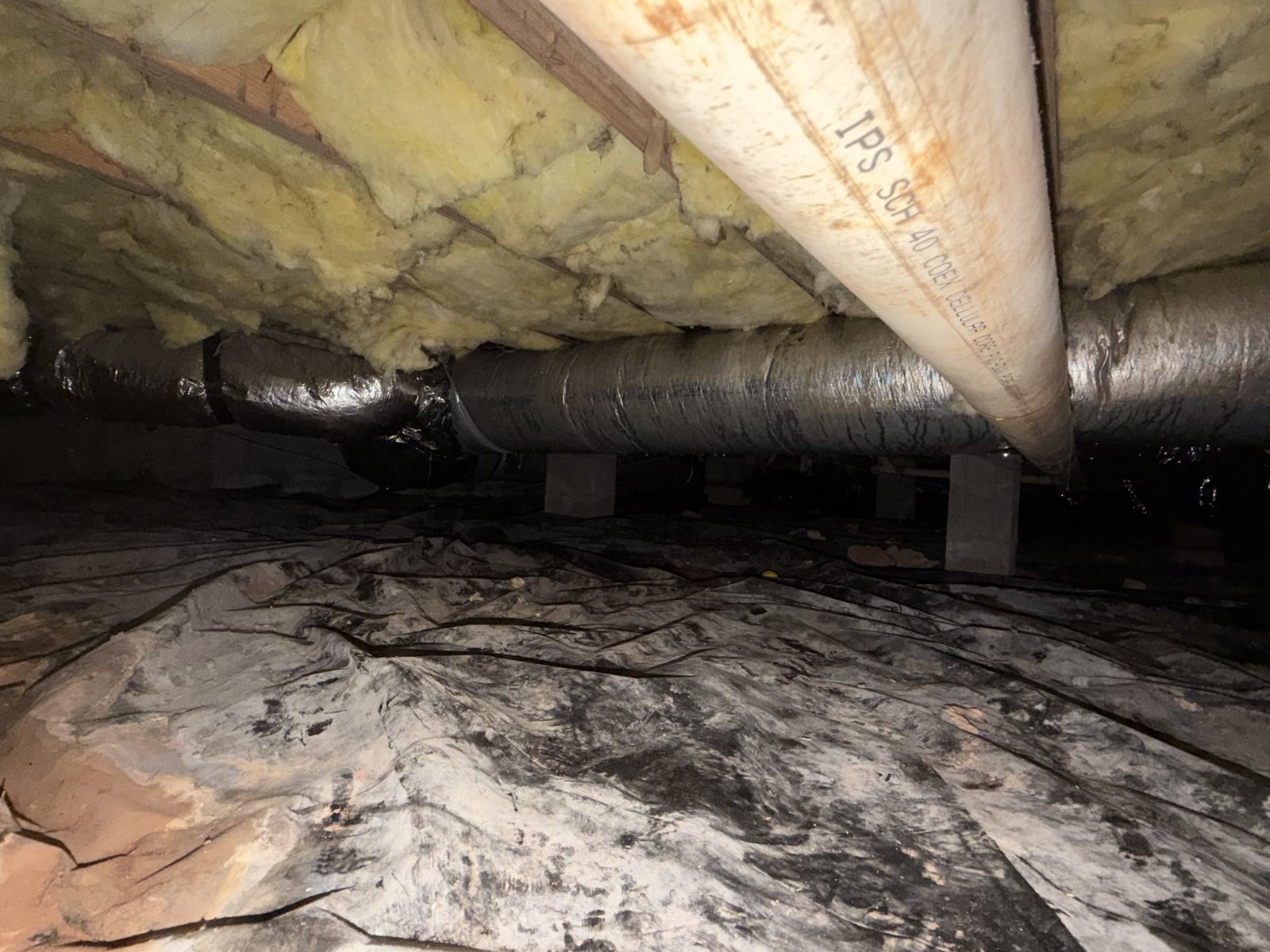
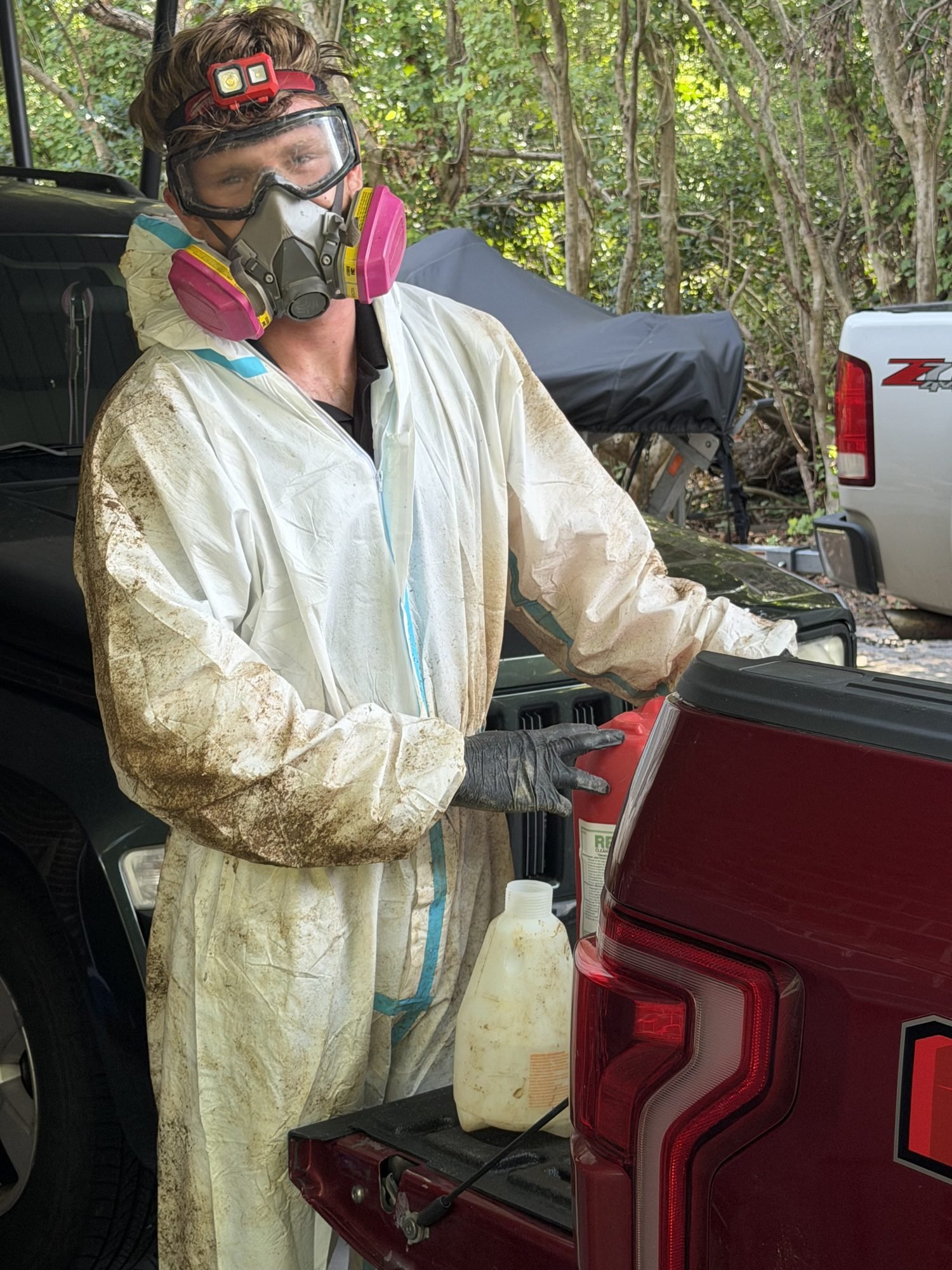
Here are a few real crawlspaces our team has worked in across Greenville and the Upstate, from inspection and insulation removal to sealed vapor barriers.
Crawlspace Encapsulation Across Greenville and the Upstate
GreenShield Restoration is based in Greenville and serves homes and businesses throughout the Upstate. Our Greenville market comes first, with service extending to surrounding communities as availability and project scope allow.
Greenville and nearby: Greenville, Greer, Mauldin, Simpsonville, Fountain Inn, Travelers Rest, Taylors, Piedmont, Berea and Five Forks.
Across the Upstate: Easley, Pickens, Clemson, Central, Liberty, Six Mile, Norris, Powdersville, Anderson, Williamston, Pelzer, Belton, Honea Path, Spartanburg, Boiling Springs, Duncan, Wellford, Lyman, Moore, Reidville, Inman, Landrum, Woodruff, Laurens, Clinton and Cross Hill.
Extended areas: Gaffney, Seneca, Walhalla, Newberry, Tryon, Columbus and Saluda. Please call to confirm availability.
Get a Free Estimate
Our Services
Need Help With a Damp Crawlspace?
Talk with our restoration team about an inspection, encapsulation plan or free estimate.
Common Questions
Common Crawlspace Encapsulation Questions Answered By Our Experts
Crawlspace encapsulation seals the crawlspace from the soil and outside air with a heavy vapor barrier on the floor and walls, sealed vents and openings, and a way to keep the air dry, usually a dehumidifier. The goal is a clean, dry space that no longer feeds moisture into the home above.
Common signs include a musty smell in the house, cupping or soft floors, sagging or wet insulation, a torn or missing vapor barrier, condensation on ducts and visible mold on joists. An inspection with moisture readings is the best way to confirm whether encapsulation, a simpler fix or repairs are the right call.
No. A vapor barrier is plastic laid over the soil. Encapsulation seals the floor, walls, piers, vents and seams and adds moisture control. A barrier alone can work for a mostly dry crawlspace, while encapsulation is better suited to crawlspaces with ongoing humidity, odor or mold problems.
In most cases, yes. Sealing the crawlspace keeps humid outside air out, but the air inside still needs a way to stay dry. A dedicated crawlspace dehumidifier with a drain line is the most common approach. The right choice depends on the size of the space and the conditions we find.
Mold should be addressed before the crawlspace is sealed. Surface growth on sound framing can often be cleaned once dry, wet or moldy insulation is usually removed and damaged wood is repaired. Sealing over active mold or wet materials can trap the problem instead of fixing it.
Many residential encapsulations take one to a few days once work begins. Larger crawlspaces, tight access, drainage work or mold and wood repairs can add time. We give you a clear timeline with your estimate.
Wet, sagging or moldy insulation is generally removed. Depending on the design, the floor may be reinsulated or the foundation walls insulated instead. We explain the options and what fits your home before any insulation work is done.
Often, yes. Air from the crawlspace moves up into the living space, so a damp crawlspace can contribute to odors and humidity inside. Drying and sealing the crawlspace removes that source. If odors come from somewhere else, like a leak inside a wall, we will tell you.
Encapsulation is usually treated as an improvement or maintenance item, not a covered loss. Damage from a sudden event, like a burst pipe under the house, may be covered depending on your policy. We document what we find and can help you understand the damage for any insurance conversation.
Cost depends on the size of the crawlspace, access, cleanout, insulation removal, any mold or wood repair, drainage work, materials and the dehumidifier. We provide a free on site inspection and a written estimate so you know exactly what is included.
Still have questions? Talk to our Greenville team: Call (864) 834-8123
Start with a conversation. Tell us what you're seeing or smelling and what you've noticed under the house. We'll help you understand whether it's a quick fix or a job that needs a full scope. If it does, we'll take it from the source to the sealed crawlspace.