
Flood Cleanup & Flood Damage Restoration in Greenville, SC
Flood Cleanup, Structural Drying and Reconstruction for Homes and Businesses
Heavy rain, a swollen creek or stormwater running toward your foundation can put water inside a home or business fast. GreenShield Restoration provides flood cleanup and flood damage restoration for homes and businesses in Greenville, with service across Upstate South Carolina. We remove standing water, assess contamination, dry what can be dried and document the damage, then continue into reconstruction when repairs are needed. Floodwater brings its own set of problems, and we handle it as its own kind of job, not a routine leak.
Your Property Flooded. What Should You Do First?
Safety comes before cleanup. Stay out of the property if there is a chance of electrical hazards, structural damage or gas leaks, and avoid standing water that may be contaminated. Once it is safe, document the damage and call for a flood cleanup assessment.
- Turn off the water at the fixture or main shutoff if you can reach it safely.
- Avoid electrical hazards. Don’t walk through standing water if outlets, cords or appliances may be involved.
- Stay out of contaminated water. Floodwater and sewage can carry bacteria and debris.
- Document what you see. Take photos and video before moving things, when it is safe.
- Move small valuables out of wet areas if you can do it without risk.
- Call GreenShield so the drying process can begin.
Floodwater Is Different From an Ordinary Plumbing Leak
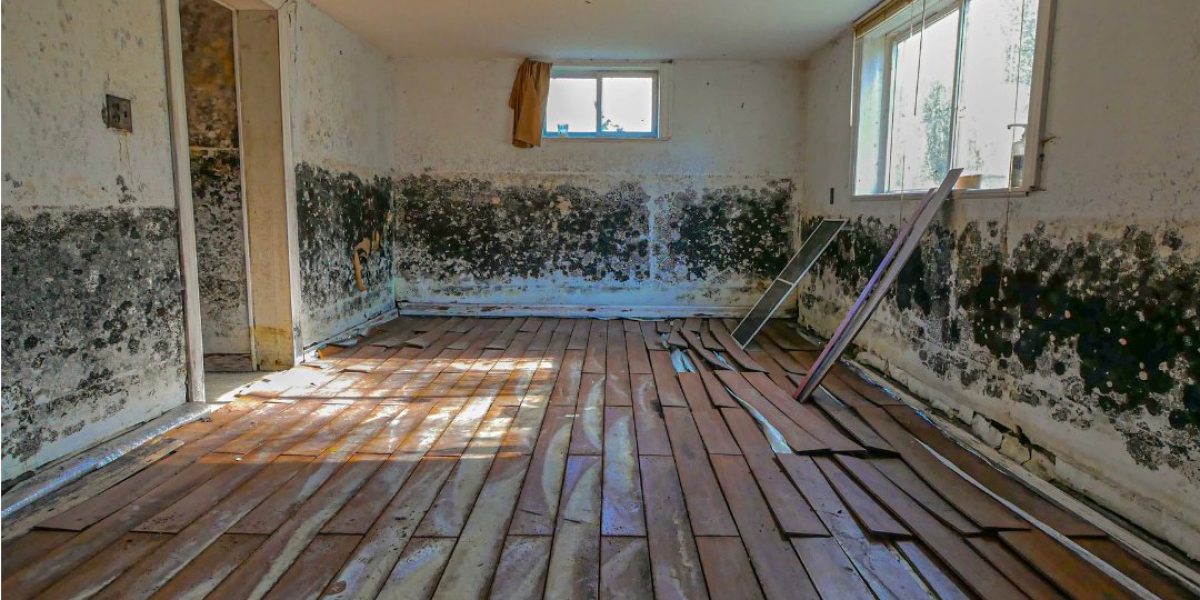
Floodwater that enters from outside is not the same as water from a burst pipe. It can carry dirt, sediment, chemicals, microorganisms and other contaminants picked up on its way into the property. That difference affects how materials are cleaned and which ones can reasonably be saved.
A supply line or water heater leak is usually clean water from inside the plumbing system. Floodwater is different. As rain or rising water travels across yards, streets, storm drains or waterways, it can pick up soil, debris, chemicals and other contamination before it ever reaches your walls or floors.
That means flood cleanup often involves more than drying. Contaminated materials may need to be cleaned differently, or removed rather than dried, depending on what they’re made of and how much water they absorbed. If you’re dealing with a clean water loss from an internal leak or appliance rather than outside floodwater, our water damage restoration service covers that situation.
Common Causes of Flooding in Greenville Properties
Flooding in Greenville usually comes from one of a few sources:
- Heavy rain and storm runoff that overwhelms yards, driveways and street drainage
- Overflowing creeks, streams or nearby waterways during significant storms
- Drainage and grading problems that direct water toward a home instead of away from it
- Groundwater that rises after prolonged or heavy rainfall
- Severe storms, including the kind of intense, fast moving systems that pass through the Upstate
Greenville County’s precipitation normal runs to roughly 50.73 inches a year, so heavy rain events are a regular part of life here. Any of these sources can bring water into a crawlspace, basement or ground floor, sometimes with very little warning.
Crawlspace Flooding After Heavy Rain
Crawlspace flooding after heavy rain is common in Greenville and is usually driven by drainage problems, grading, groundwater or runoff around the foundation. Removing the water is only part of the job. If the underlying water entry problem isn’t addressed, the crawlspace can flood again the next time it rains hard.
Water can enter a crawlspace even when nothing looks obviously wrong from the yard. Contributing conditions include:
- Grading that slopes toward the house instead of away from it
- Gutters and downspouts that dump water near the foundation
- Poor exterior drainage during heavy or prolonged rain
- Groundwater that rises during wet periods
- Plumbing issues inside the crawlspace itself
GreenShield handles the restoration side: extracting water, assessing affected materials and drying what can be dried. Preventing the flooding from happening again may require correcting the exterior water entry problem, which can mean grading, drainage or drainage related work outside our scope. We’ll tell you plainly when a repair needs a different specialist.
Our Flood Cleanup & Restoration Process
- Initial call. We ask about the source of the water, the affected areas and any safety concerns.
- Assessment. We evaluate the source and extent of the flooding on site.
- Documentation. Affected areas, water lines and damaged materials are recorded.
- Water removal. Standing water is removed from the property where it’s safe to do so.
- Contamination evaluation. We assess what the water may have carried and how that affects each material.
- Structural drying. Restorable materials and structure are dried and monitored.
- Monitoring. Moisture levels are checked until the area is confirmed dry.
- Mold considerations. If conditions point to mold risk or growth, that gets addressed as part of the plan.
- Preparation for repairs. The area is left clean and dry, ready for rebuilding.
- Reconstruction. Removed materials are replaced where repairs are needed.
Removing Standing Water Is Only the First Step
Pumping out or extracting standing water does not mean the property is dry. Moisture often remains in drywall, flooring, subfloor, insulation, framing, carpet padding, cabinets and crawlspaces long after the visible water is gone.
The water level drops, the floor looks dry, and it is easy to assume the job is done. But water travels, wicking into drywall and settling into insulation and crawlspace framing where it can sit unnoticed for weeks.
Confirming a property is actually dry takes checking moisture levels in the materials the water reached, not just looking at the surface. That is the same structural drying and moisture monitoring approach we use on any water loss.
What Can Be Saved and What May Need Removal?
Whether a material can be saved depends on the source of the water, contamination, material type, how saturated it got, how long it stayed wet, whether it can be cleaned and dried, and its structural condition. The goal is not to remove everything, and it is not to save everything. It is to make the right call for each material and explain why.
- Drywall: clean water exposure caught quickly can sometimes be dried in place. Contaminated or saturated drywall is usually removed.
- Insulation: wet insulation, especially from contaminated water, is generally removed rather than dried.
- Carpet and padding: padding exposed to floodwater is typically removed. Carpet itself depends on the water source and how long it was wet.
- Flooring: some flooring can be dried and kept. Laminate, engineered wood and other water sensitive flooring often cannot.
- Cabinets: solid wood boxes can sometimes be dried. Swollen particleboard usually needs replacement.
- Structural materials: framing and subfloor are evaluated for saturation and structural condition, not just moisture readings.
A written scope should tell you what’s being removed, what’s being dried and kept, and the reasoning behind each decision.
Hidden Moisture After a Flood
Floodwater can leave moisture behind walls, below flooring and inside crawlspaces well after the visible water is gone. Finding that hidden moisture is part of confirming a property is truly dry.
Areas worth checking closely after a flood include the base of walls where water sat, the subfloor under any flooring that got wet, cabinet interiors near the floor, and crawlspaces beneath affected rooms.
Reducing Mold Risk After Flooding
Materials that stay wet for an extended period are more likely to develop mold. The EPA and CDC generally recommend cleaning and drying wet materials quickly, often within 24 to 48 hours where possible, to help reduce that risk.
Flooding creates more opportunities for mold than a small leak because more materials get wet, water often sits longer before it is discovered, and contamination can add organic material that mold can feed on. Fast, thorough drying is the best defense. If mold has already developed by the time we assess a property, our mold remediation service addresses the growth and the moisture that caused it.
Residential Flood Cleanup
For homeowners, a flood often means water in a crawlspace, a finished basement, ground floor rooms or a garage. We assess what happened, explain what can be dried versus what needs to come out, and work through the property room by room. If part of your home stayed dry, we will help you understand what is affected and what is not, rather than assuming the whole property needs the same treatment.
Commercial Flood Cleanup
For Greenville businesses and commercial properties, flooding can shut down part or all of an operation. We assess the affected areas, document the damage for your records and insurer, and work to restore usable space as efficiently as the damage allows. We will not promise a specific reopening date, since every property and every flood is different, but we will keep you informed as the work progresses.
Flood Damage & Insurance Documentation
Standard homeowners insurance generally treats rising floodwater from outside differently than an internal water loss like a burst pipe. Separate flood insurance may apply to outside flooding. GreenShield can document the damage and the restoration work, but your insurance carrier determines what is covered under your policy.
This distinction catches a lot of property owners off guard. A pipe bursting inside your home is usually a different kind of claim than water that entered from a storm or a rising creek. Whether either is covered depends on your specific policy.
Good documentation helps either way. Photograph and video the damage as soon as it is safe to do so. Note visible water lines and which rooms were affected. Keep a list of damaged belongings. Save receipts related to the loss. Keep copies of the restoration scope and any correspondence.
Contact your insurer promptly, but do not delay urgent safety steps or necessary drying while you wait on a coverage decision. Water that sits longer causes more damage regardless of how the claim turns out.
But I am not in a flood zone. Properties outside high-risk FEMA flood zones can still flood. Heavy rain, storm runoff, overwhelmed drainage and nearby waterways can affect a property regardless of its official flood zone designation. A conversation with your insurance agent can clarify your specific risk and policy.
From Flood Cleanup to Reconstruction
Flood cleanup often ends with a property that is clean and dry but not finished. If drywall, insulation, flooring or cabinets had to come out, the space still needs to be rebuilt. GreenShield provides reconstruction as a core service, so the same company can carry your project from cleanup through the finished repairs.
The path after a flood typically looks like this: floodwater, cleanup, drying, decisions about what to remove, and repairs where materials were taken out. When one company handles the whole path, you are not stuck explaining the damage to a new contractor.
Why Choose GreenShield Restoration
- We look beyond standing water. Floodwater can affect walls, floors, crawlspaces and materials well beyond what is immediately visible.
- Clear decisions about what can stay. We explain what appears restorable, what may need removal and why.
- Flood cleanup and water mitigation under one company. We can address both the standing floodwater and the moisture problem it leaves behind.
- Cleanup through reconstruction. When repairs are needed, we continue into rebuilding.
- Local Greenville restoration support. Locally owned, licensed, bonded and insured, serving homes and businesses throughout Greenville and the Upstate.
One Company, Start to Finish
Flood cleanup often ends with a property that is clean and dry but not finished. If drywall, insulation, flooring or cabinets had to come out, the space still needs to be rebuilt. GreenShield provides reconstruction as part of the same project, so the same company can carry your property from standing water through finished repairs. You are not stuck explaining the damage to a new contractor or starting over with someone who was not there for the cleanup.
Serving Greenville and Upstate South Carolina
GreenShield Restoration is locally owned and based in Greenville. We know this area, its neighborhoods, its drainage patterns and the storms that roll through the Upstate. When floodwater reaches your property, you are not calling a national call center. You are calling a local team that is already close.
Flooding in Your Greenville Property?
Our Services
Flood Damage Emergency?
Talk with our restoration team about an assessment, cleanup plan or the path from standing water to a finished repair.
Common Questions
Flood Cleanup & Restoration FAQs
Stay out of the property if you're unsure it's safe, avoid contaminated standing water and electrical hazards, and photograph the damage once it's safe to do so. Then call for a flood cleanup assessment.
Often, yes, to some degree. Water that enters from outside can carry dirt, sediment and other contaminants it picked up along the way, which is different from clean water from an internal plumbing leak. That affects how materials are cleaned or removed.
Not always right away. Avoid entering if there's a chance of electrical hazards, structural instability, gas leaks or contaminated standing water. If you're unsure, wait for a professional to check the property first.
Flood cleanup deals with water entering from outside, such as storms, runoff or rising waterways, which may carry contamination. Ordinary water damage restoration typically addresses clean water losses like burst pipes or appliance leaks. The source affects the cleanup approach.
Not always. It depends on how contaminated and saturated the drywall is and how long it stayed wet. Clean water caught quickly can sometimes be dried in place, while contaminated or heavily saturated drywall is usually removed.
Sometimes. It depends on the water source, saturation and material type. Padding exposed to floodwater is typically removed, while carpet and flooring may or may not be salvageable depending on the specifics.
The risk increases the longer materials stay wet. The EPA and CDC generally recommend drying wet materials within 24 to 48 hours where possible to help reduce mold risk, though every situation is different.
It depends on your policy. Standard homeowners insurance generally treats floodwater from outside differently than an internal water loss, and separate flood insurance may apply. Only your insurer can confirm what your policy covers.
Yes. Heavy rain, storm runoff, overwhelmed drainage and nearby waterways can cause flooding regardless of a property's official flood zone designation. Talk with your insurance agent about your specific risk and policy.
Common causes include grading that directs water toward the house, gutters and downspouts near the foundation, poor exterior drainage and rising groundwater. Removing the water helps, but the underlying drainage issue may need separate attention to prevent it from happening again.
It depends on the extent of the flooding, the materials affected, contamination and how much drying and repair the property needs. We will walk you through the expected process after assessing your property.
Yes. Once the property is clean and dry, we can replace drywall, insulation, flooring and other materials that had to be removed, so your project can continue with one company from cleanup through reconstruction.
Still have questions? Talk to our team: Call (864) 834-8123 or use the contact form.
Get in touch as soon as it's safe to do so. We'll assess the damage, explain what's involved in the cleanup and walk you through the path from standing water to a finished repair.