Fire & Smoke Damage Restoration in Greenville, SC
Smoke, Soot, Odor And Water Cleanup Through Full Reconstruction
The fire may be out, but the work is just starting. You may be dealing with soot on walls, smoke odor in rooms that never saw flames and wet floors left behind by firefighting water. GreenShield Restoration provides fire damage restoration in Greenville for homes and businesses, with service across Upstate South Carolina. We assess how far the fire, smoke and water actually reached, explain what can be restored and what needs to come out, handle the related water damage and continue into reconstruction when repairs are needed. One company, from the first walkthrough to the finished rebuild, with clear explanations at every step.
The Fire Is Out. What Happens Next?
Once the fire department and local officials say the property is safe to enter, the next steps are to protect people, document the damage and get a professional assessment. Avoid scrubbing soot, running the HVAC system or throwing things away until the damage has been reviewed and documented.
What helps most:
- Wait for clearance. Only enter when officials confirm it is safe. Fire can weaken floors, ceilings and wiring.
- Keep utilities off until they have been checked.
- Photograph everything you can safely reach, including rooms that look untouched.
- Don’t wipe soot from walls or furniture. Rubbing can smear residue deeper into surfaces.
- Hold on to damaged items until your insurer has had a chance to review them.
- Call for a restoration assessment so drying and cleanup can be planned before damage spreads.
If you need somewhere to stay, ask your insurer early whether your policy includes temporary living expenses.
Fire or Smoke Damage in Your Property?
Don’t start scrubbing or throwing things out. Our local team can assess the fire, smoke and water damage and explain what can be restored, 24/7 across Greenville and the Upstate.
Fire Damage Can Extend Beyond What Burned
Fire damage is rarely limited to the room where the flames were. Smoke moves through a building on air currents, soot settles on surfaces far from the fire, odor soaks into porous materials and firefighting water spreads into floors, walls and ceilings. A full assessment looks at the whole property, not just the burn area.
Smoke follows the path of least resistance. It moves through hallways, open doorways, stairwells, attic spaces and gaps around outlets and light fixtures. Heated smoke rises and then settles as it cools, which is why soot often shows up on ceilings, upper walls and closet shelves in rooms that seemed far from the fire.
That creates damage in layers:
- Direct fire and heat damage in the room where the fire started
- Heavy smoke and soot in nearby rooms and along the path smoke traveled
- Light residue and odor in areas that may look fine at first glance
- Water damage wherever suppression water reached or soaked through
Soot is fine, oily or powdery residue that discolors surfaces and holds odor. Some is obvious. Some only shows up on a fingertip or as a smell inside a closet, drawer or cabinet.
Even a Small Fire Can Cause Widespread Smoke Damage
A small fire can still produce a large smoke problem. A stovetop fire, an appliance fire, an electrical fire in one wall or a fire in a garage can send smoke and soot through much of a home or building, even when the flames never left one area.
Most fire calls look more like this:
- A stovetop fire that left residue on every cabinet and odor throughout the downstairs
- A dryer fire with soot drifting into nearby bedrooms
- An electrical fire that pushed smoke into the attic and adjoining rooms
- A garage fire with smoke entering the house through a shared door
- A bedroom fire with smoke carried down the hallway
In each case, the visible burn damage may be small. The cleanup scope is set by where the smoke, soot and water went.
Firefighting Water Can Create a Second Restoration Problem
Water used to put out a fire often causes damage of its own. It can soak drywall, ceilings, flooring, insulation and framing, and those materials need to be dried or removed to prevent further damage and mold. After a fire, water mitigation is often part of the restoration.
Firefighters use whatever water is needed to stop the fire, as they should. The result can be saturated carpet, wet subfloors, sagging ceilings, soaked insulation and water pooling on lower floors or in a crawlspace.
Wet materials do not wait for the smoke cleanup to finish. Water keeps moving into porous materials, and the EPA advises drying water damaged materials within 24 to 48 hours where possible to help prevent mold growth.
This is where GreenShield’s background in water damage restoration matters. Water removal and drying can be handled as part of the same fire restoration project instead of turning into a separate job with a separate company.
Smoke, Soot and Odor
Smoke odor usually lingers because residue is still present somewhere, on surfaces, inside porous materials or in hidden spaces. Removing the odor means finding and cleaning or removing the materials that hold it, not simply covering the smell.
Charred wood and burned drywall are easy to spot. Smoke damage is harder: discoloration on walls and ceilings, film on windows and cabinets, residue inside closets and drawers, and odor held in drywall, insulation, carpet and upholstery.
We won’t promise every trace of odor will disappear. We trace the residue, clean what can be cleaned, remove what cannot and explain the results. Persistent odor usually means some affected material still needs attention.
What Can Be Restored and What Needs to Be Replaced?
Whether a material can be restored depends on what it is, how much heat it took, how heavy the soot is, whether it got wet, its structural condition, how porous it is and how strongly it holds odor. Many surfaces can be cleaned. Others need to be removed. We evaluate each area instead of assuming everything must come out.
Here is how those decisions typically work:
- Drywall: lightly soiled drywall can often be cleaned and sealed. Drywall that is charred, heat damaged, soaked or holding strong odor is usually replaced.
- Insulation: insulation that absorbed smoke or water is generally removed, because it traps both odor and moisture.
- Cabinets: solid wood with surface residue can often be cleaned. Warped, heat damaged or swollen particleboard cabinets usually need replacement.
- Hardwood floors: can sometimes be cleaned and refinished if heat and water exposure were limited. Cupping, scorching or saturation may require replacement.
- Carpet and pad: often replaced after heavy smoke or firefighting water, since both hold odor and moisture.
- Framing: structurally sound wood with surface soot can often be cleaned and sealed. Charred or weakened framing needs repair.
- Hard surfaces: glass, metal, tile and sealed countertops can usually be cleaned.
The goal is not the biggest scope or the smallest one. It is the right one, with a clear reason for each decision that you can see and understand.
Our Fire & Smoke Damage Restoration Process
- Initial call. We ask what happened, which areas were affected and whether officials have cleared the property.
- Assessment. We walk the entire property, including rooms that look unaffected, to map fire, smoke, soot and water damage.
- Water mitigation. Wet materials from firefighting water are extracted and dried where needed.
- Smoke and soot evaluation. We identify which materials and surfaces are affected and how heavily.
- Cleaning and removal. Restorable surfaces are cleaned. Materials that cannot be restored are removed.
- Documentation. Affected areas, completed work and recommended next steps are recorded.
- Preparation for repairs. The structure is left clean, dry and ready for rebuilding.
- Reconstruction. Removed materials are replaced and the property is rebuilt where required.
At each stage, you should know what was found, what was affected, what we recommend, why we recommend it and what happens next.
What Happens to Your Belongings After a Fire?
Belongings should be documented and evaluated before anything is thrown away. Whether an item can be saved depends on the material, the heat and smoke exposure, water damage and odor. Your insurer may need to see or review damaged items before they are discarded.
Clothing, furniture, electronics, photographs and kitchen items all respond differently to smoke and water. Hard items often clean well. Soft, porous items such as mattresses, pillows and upholstered furniture can hold odor and residue. Food, medicine and cosmetics exposed to heat or smoke should generally be discarded.
Before you throw anything out, photograph each item where it sits, list it with a short description and ask your insurer whether they want to inspect it.
We can help you identify which items appear affected and document the areas where belongings were damaged. Decisions about value and replacement are between you and your insurer.
Fire Damage and Insurance Documentation
Clear documentation of affected areas and restoration work can help support your claim. GreenShield can help document the damage and the scope of restoration and communicate about that scope. Coverage is determined by your insurer and your policy, and we cannot promise that any work will be covered.
Good documentation shows your adjuster not just what burned, but everything that was affected: smoke residue in adjacent rooms, water damage from suppression, materials that had to be removed and the reasons for each recommendation. A detailed restoration scope helps explain why specific work is needed.
On your side, notify your insurer early, keep photos and a list of damaged items, save receipts for emergency expenses and keep copies of the restoration scope and all correspondence.
Residential Fire Damage Restoration
For homeowners, the questions are personal. Can the kids’ rooms be cleaned? Will the kitchen need rebuilding? Will the smell go away? We work through those questions room by room and plan the work so you know what to expect each day.
Commercial Fire & Smoke Damage Restoration
For Greenville businesses and commercial property owners, a fire also means disruption to operations, tenants, employees and customers. We assess the affected areas, separate damaged spaces from usable ones where practical and document the damage and the work for your records and insurer.
We plan cleanup and repairs to restore affected areas as efficiently as the damage allows. We won’t promise a reopening date, but we will keep you informed at every step.
From Fire Cleanup to Reconstruction
Fire restoration often does not end with cleanup. Once damaged materials are removed and the structure is clean and dry, the property still needs drywall, insulation, flooring, cabinets, trim or ceilings put back. GreenShield provides reconstruction as a core service, so the same company can take your property from cleanup to finished repairs.
The full recovery usually follows this path: assessment, cleanup, water mitigation, removal where necessary, restoration and reconstruction. When separate companies handle each stage, owners often end up coordinating schedules and waiting between contractors.
With GreenShield, the team that assessed and cleaned the property already knows what came out and why. That makes the rebuild more straightforward and gives you one point of contact from the first call to the final walkthrough.
Why Choose GreenShield Restoration
- We look beyond what visibly burned. Smoke, soot and firefighting water can affect areas well away from the original fire, so we assess the whole property.
- Clear decisions about restoration and removal. We explain what appears restorable, what may need removal and why.
- Fire restoration and water mitigation under one company. Related water damage does not need to become a completely separate project.
- Cleanup through reconstruction. When repairs are needed, we continue into rebuilding.
- Clear communication throughout the recovery. We explain the damage, our recommendations and the next steps in plain language.
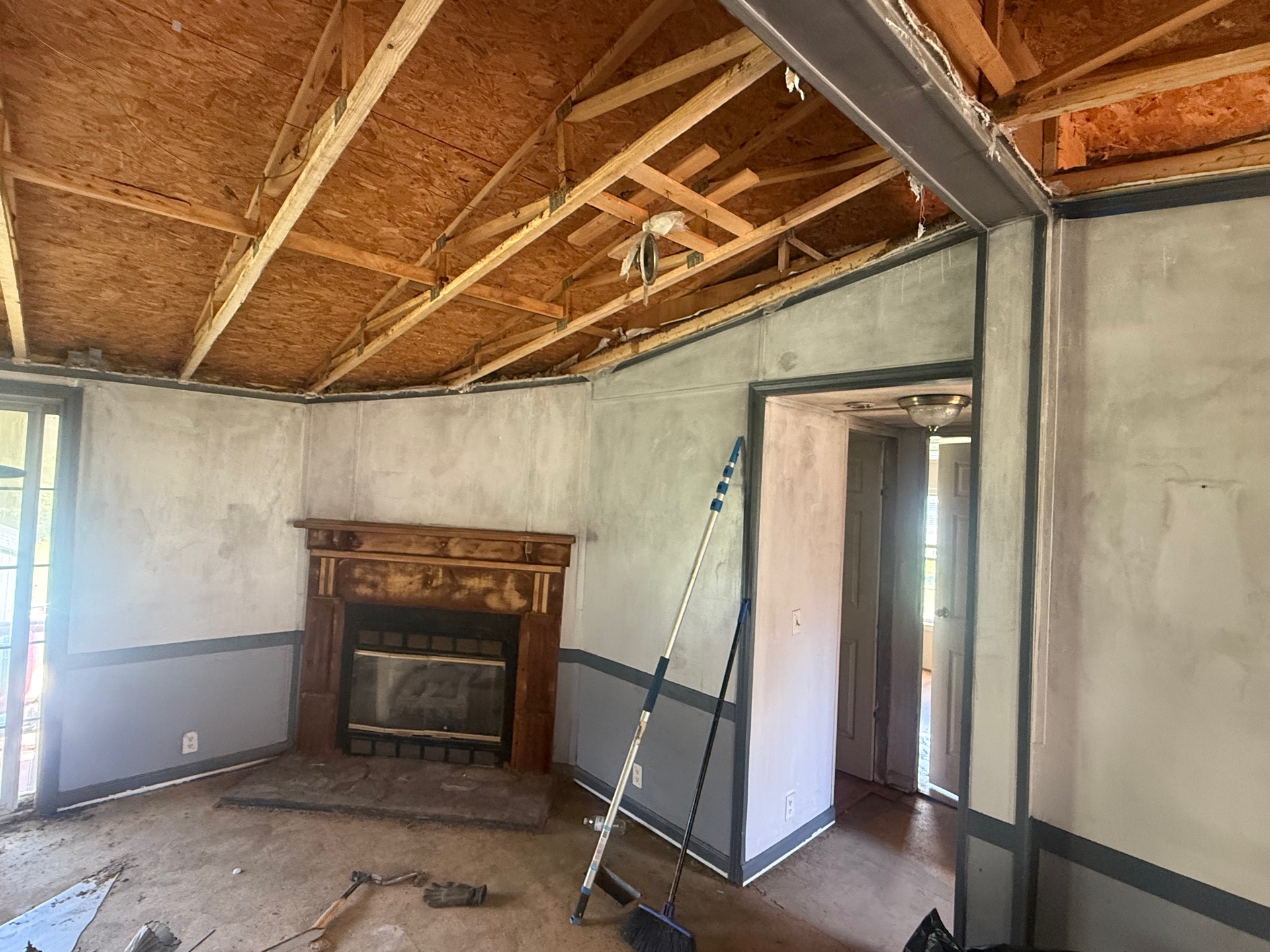
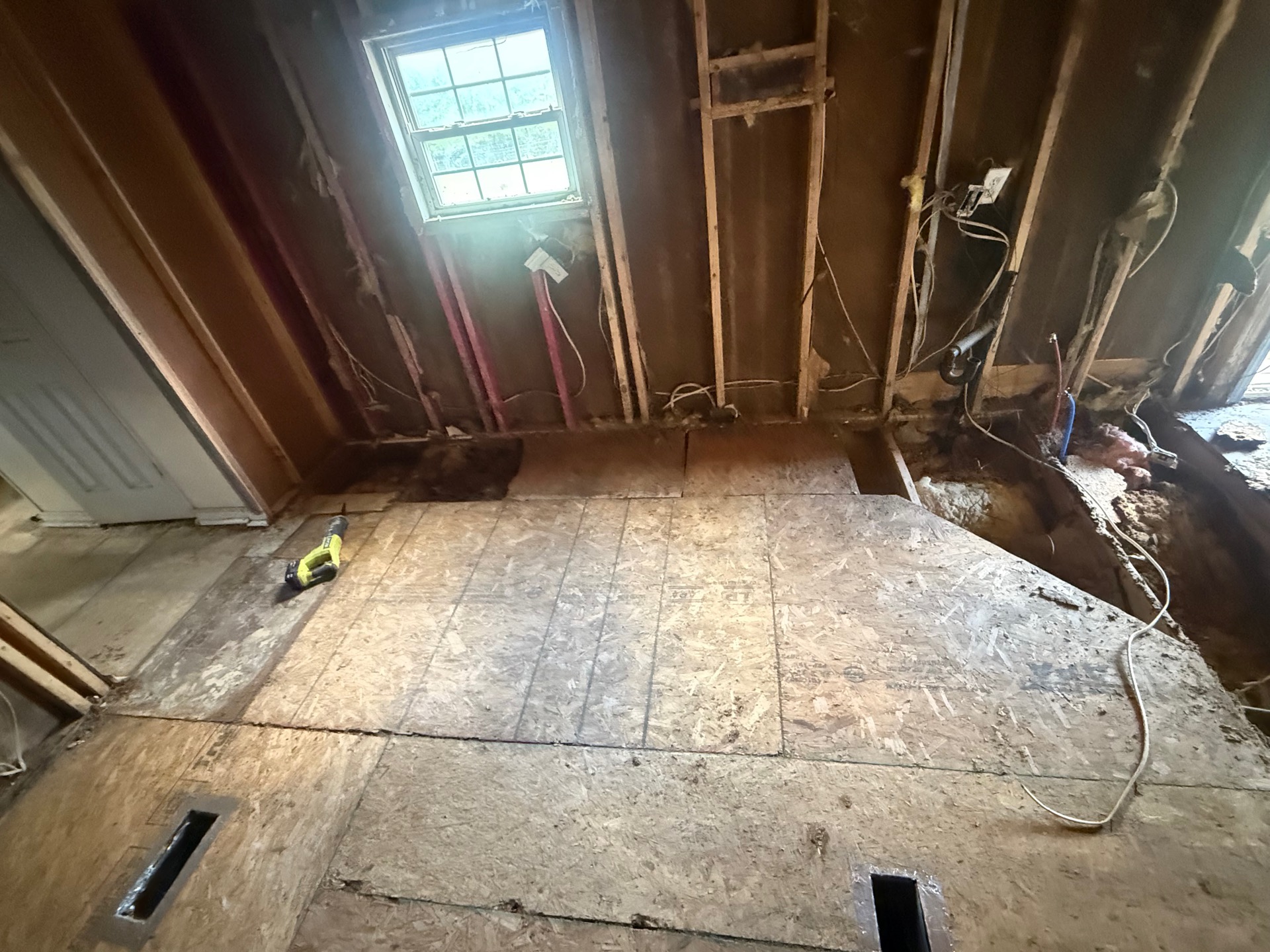
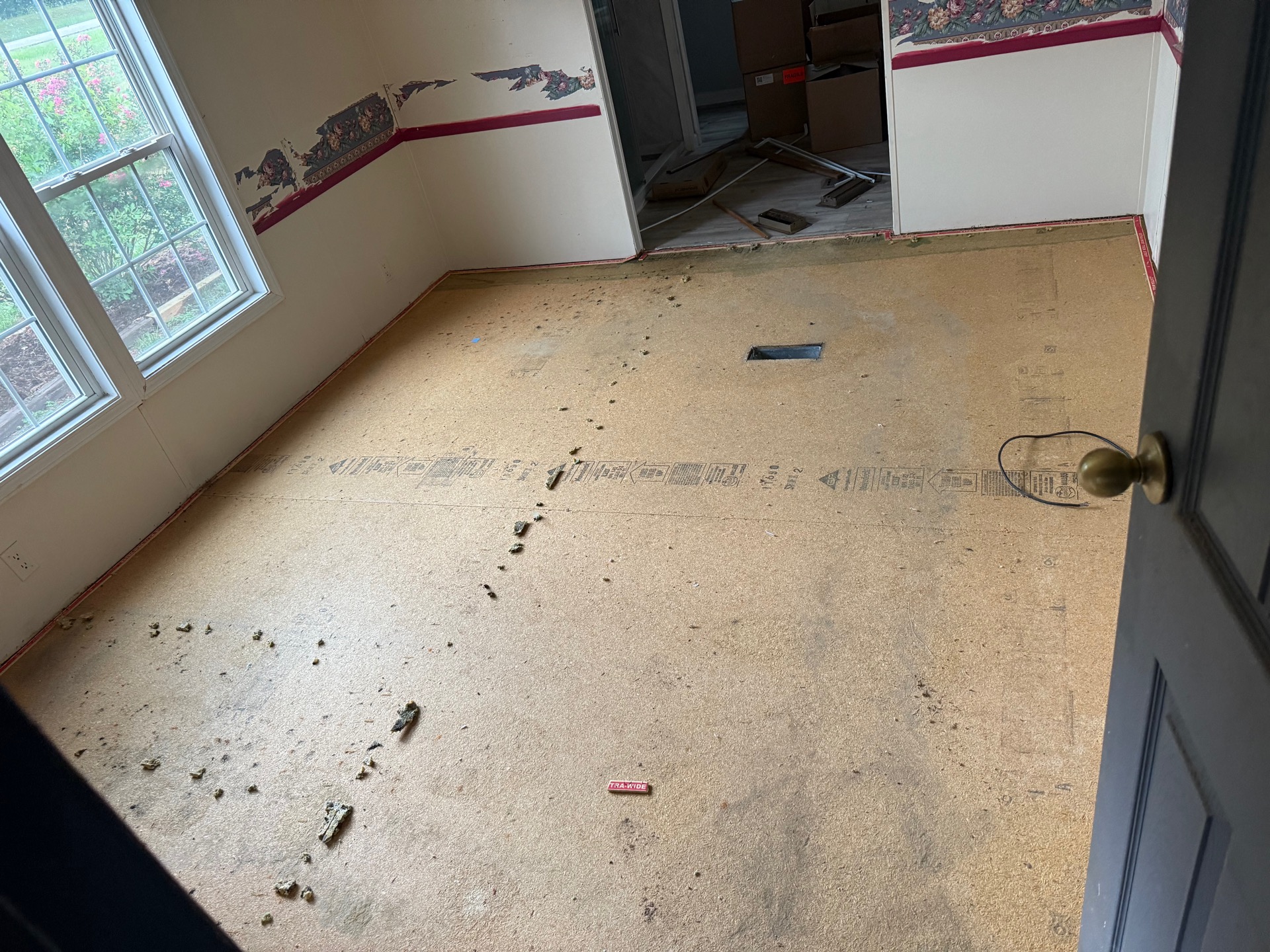
Our Recent Fire & Smoke Damage Restoration Work in Greenville
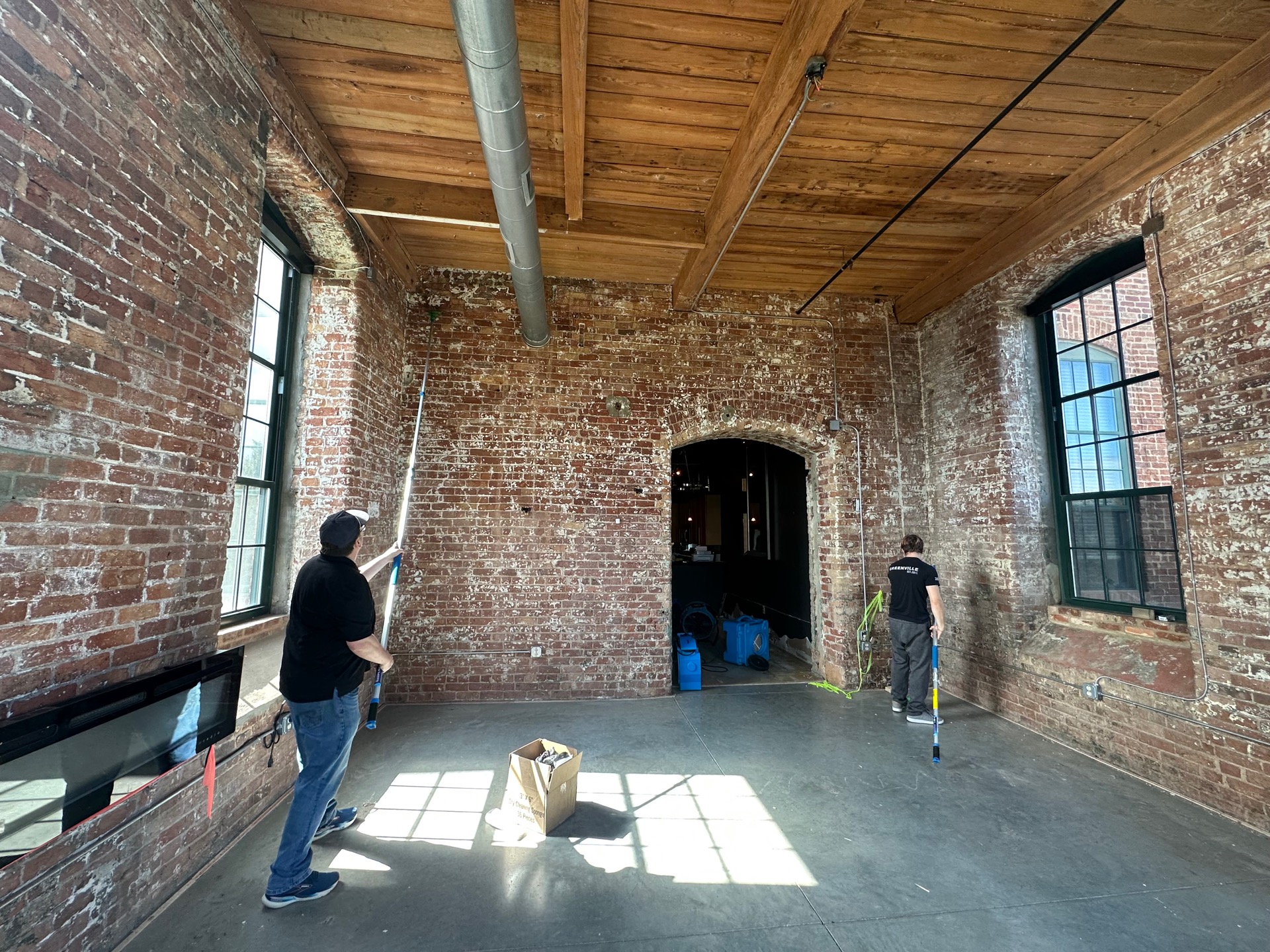
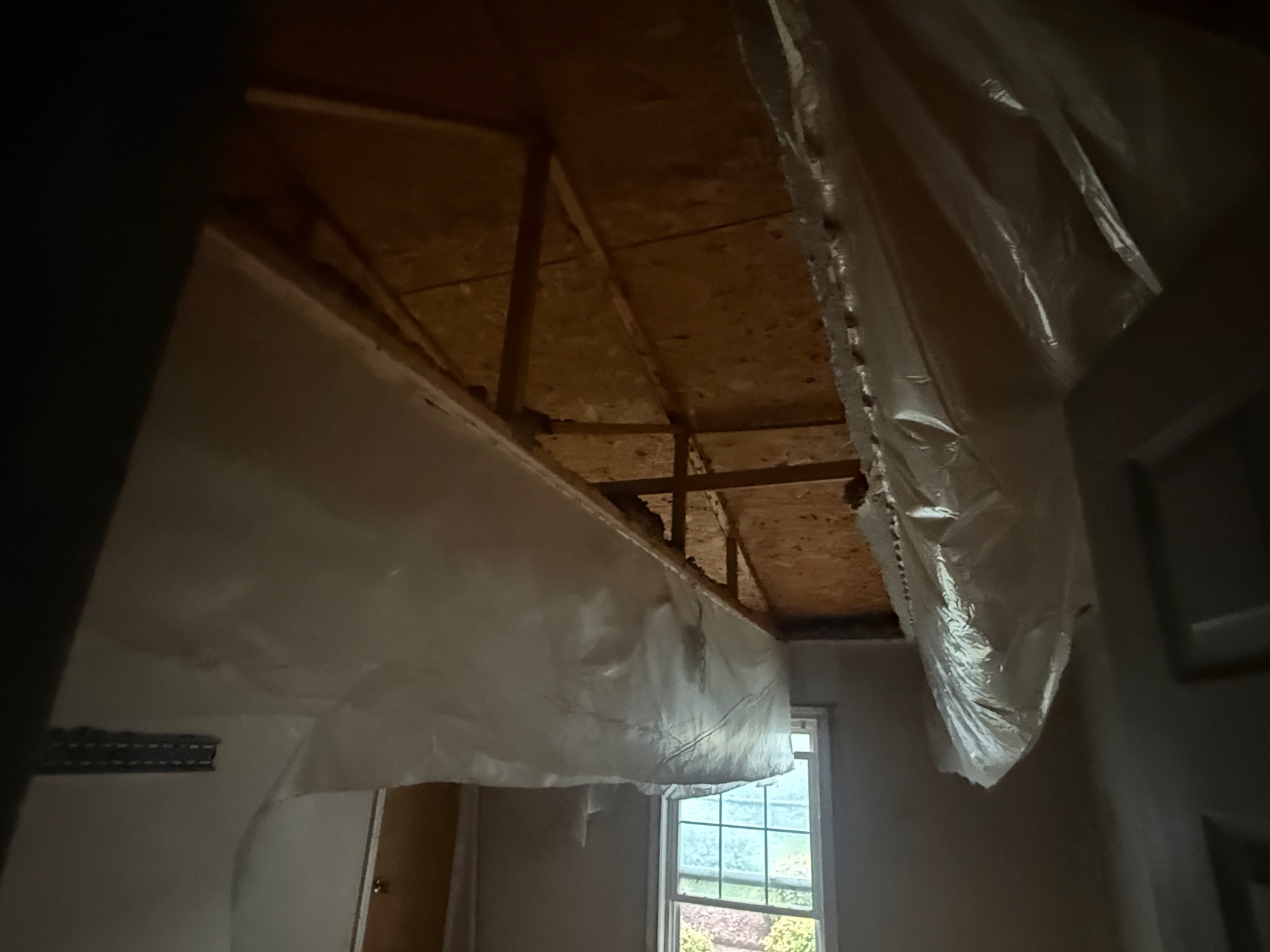
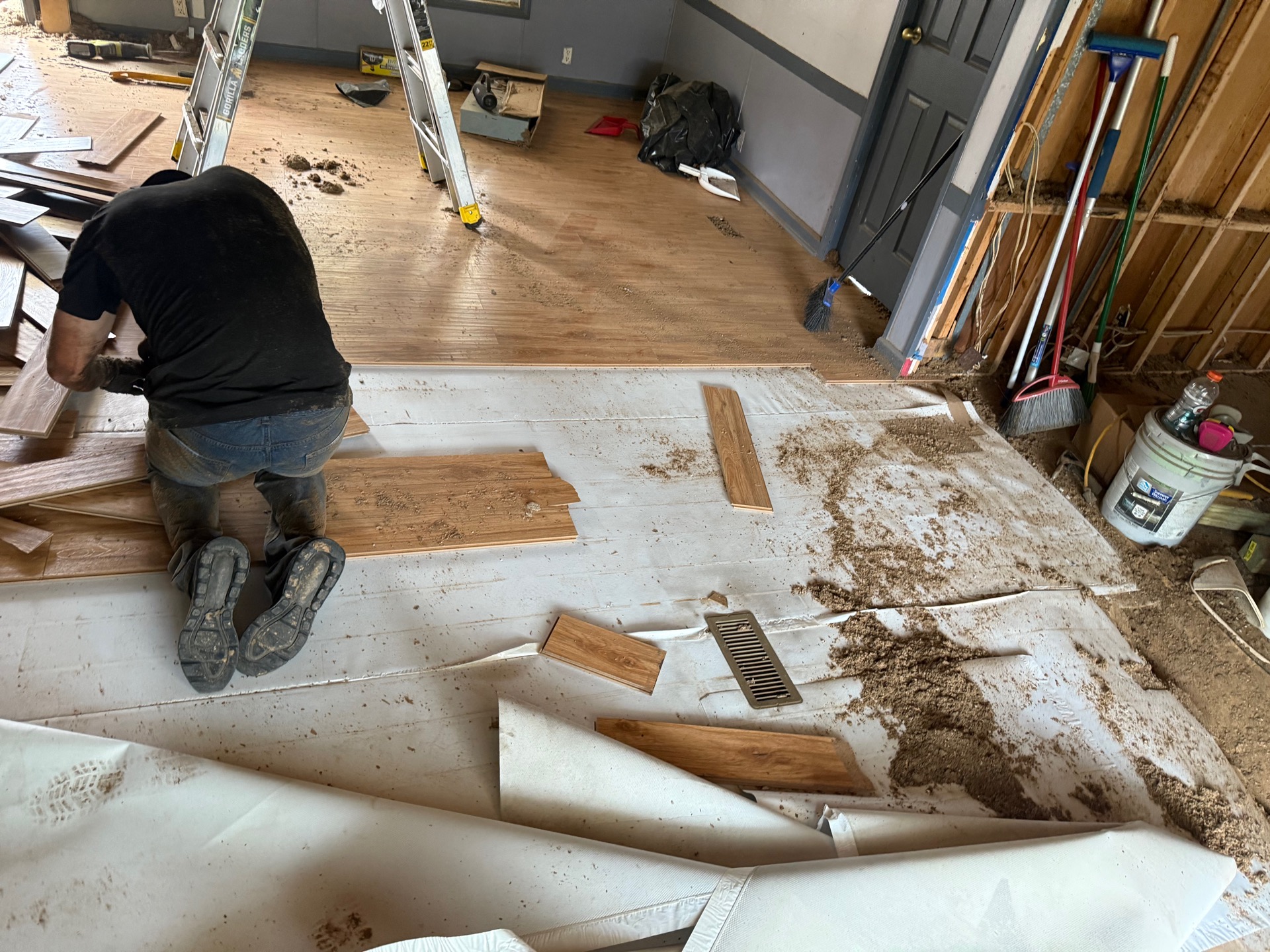
Here are a few real jobs our team has completed for homeowners and businesses in Greenville and the Upstate, from smoke and soot cleanup and water removal to finished reconstruction.
Areas We Serve
GreenShield Restoration provides fire and smoke damage restoration in Greenville first, with service throughout Upstate South Carolina.
Greenville and nearby: Greenville, Greer, Mauldin, Simpsonville, Fountain Inn, Travelers Rest, Taylors, Piedmont, Berea and Five Forks.
Across the Upstate: Easley, Pickens, Clemson, Central, Liberty, Six Mile, Norris, Powdersville, Anderson, Williamston, Pelzer, Belton, Honea Path, Spartanburg, Boiling Springs, Duncan, Wellford, Lyman, Moore, Reidville, Inman, Landrum, Woodruff, Laurens, Clinton and Cross Hill.
Extended areas: Gaffney, Seneca, Walhalla, Newberry, Tryon, Columbus and Saluda. Please call to confirm availability.
Get a Free Estimate
Our Services
Fire or Smoke Damage?
Talk with our restoration team about a fire and smoke damage assessment, restoration plan or free estimate.
Common Questions
Fire & Smoke Damage Restoration FAQs
Wait until officials say it is safe to enter. Keep utilities off, photograph the damage, avoid wiping soot and don't throw anything away before it is documented. Then contact your insurer and call for a restoration assessment.
As soon as the property is cleared for entry. Firefighting water should be dried promptly, and early cleanup helps keep soot and odor from setting into materials.
Yes. Smoke travels through hallways, stairwells, attics and gaps in walls, leaving soot and odor in rooms far from the fire. That is why the whole property should be assessed, not just the burned area.
It needs to be dried or removed like any other water loss. Wet materials are extracted and dried, or removed if they cannot be saved. GreenShield handles this as part of the fire restoration.
We look at the material, heat exposure, soot level, water saturation, structural condition, porosity and odor. Many surfaces can be cleaned. Others must be removed. We explain the reason for each decision.
Many can, depending on the material and the level of heat, smoke and water exposure. Hard items often clean well, while mattresses, upholstery and other porous items may hold odor. Document everything before deciding.
Generally, no. Photograph and list damaged items, and ask your insurer whether they want to inspect them first.
Many homeowners policies include fire coverage, but what is covered depends on your policy, its limits and your insurer's decision. GreenShield can help document the damage and restoration scope. We cannot guarantee coverage.
It depends on the size of the fire, how far smoke and water spread, which materials must be removed and how much reconstruction follows. We'll explain the expected sequence after our assessment.
Sometimes. If the damage is limited and utilities are safe, you may be able to use part of the home. Heavy smoke, water damage or major rebuilding often makes temporary housing the better choice.
With GreenShield, it can. After cleanup and drying, we can replace drywall, insulation, flooring, cabinets and other removed materials, so one company handles the project from assessment through rebuilding.
Yes. GreenShield restores fire and smoke damage for businesses and commercial properties in Greenville and across the Upstate, with clear documentation and communication throughout.
Still have questions? Talk to our Greenville team: Call (864) 834-8123
The fire is out. Now you need clear answers about what was affected and how to get the property back. Call GreenShield for an assessment, and we'll walk you through what we find and what happens next.